


After going around the entire diamond, it's time to move to the bullpen and look at two relievers who could surprise and two who could fall short of expectations to close RotoWire's 2026 fantasy baseball breakouts and busts series.
Fantasy Baseball Closer Breakouts

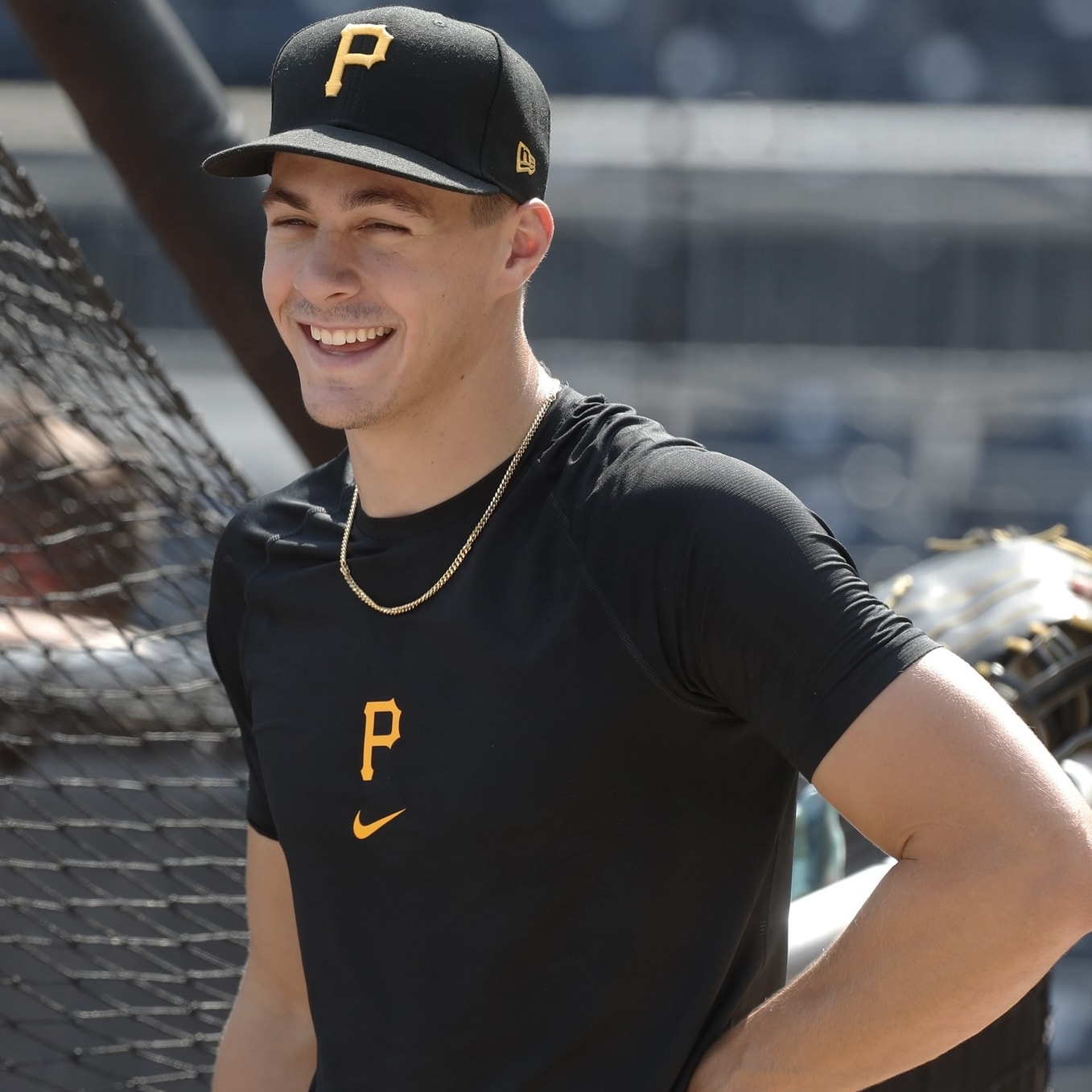
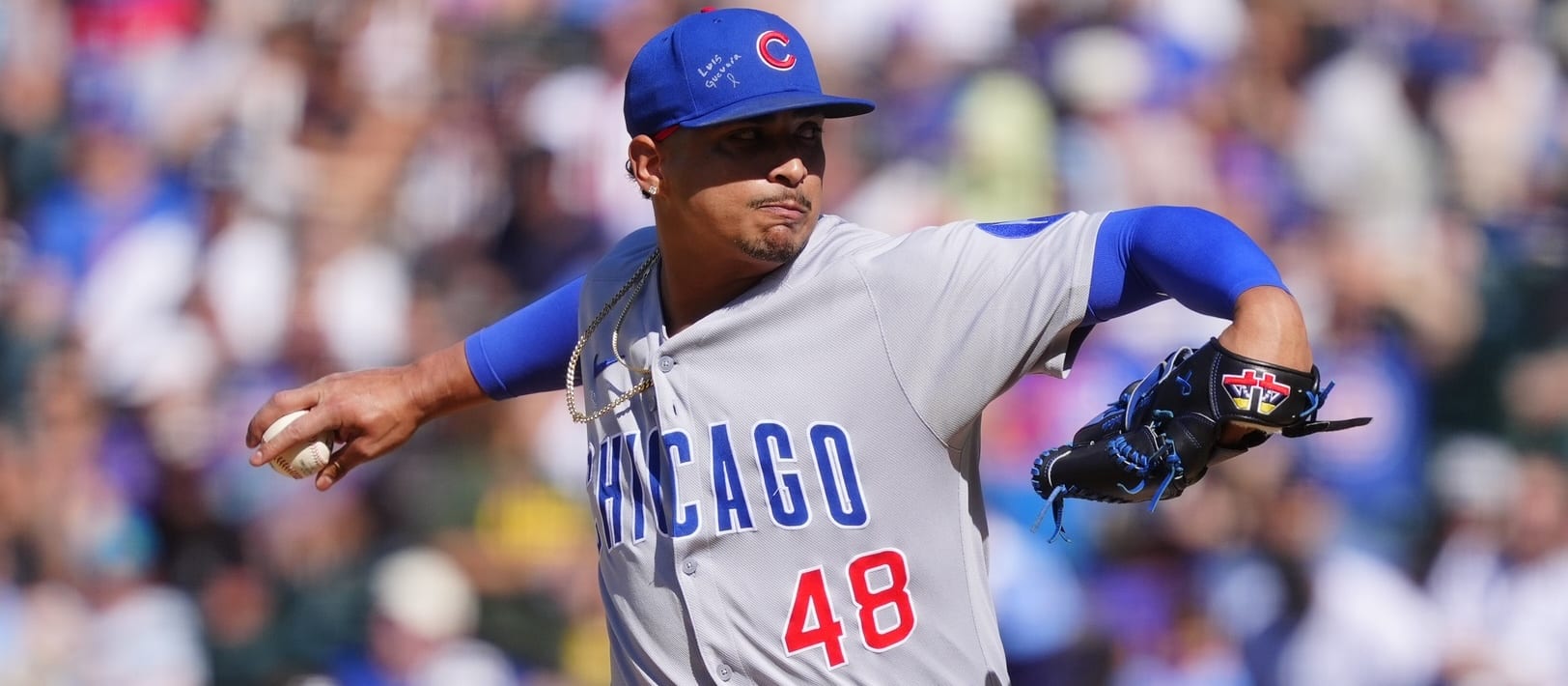
There were plenty of positives from the Cubs' 2025 season, which ended a four-year playoff drought, but one development that has flown somewhat under the radar is the emergence of Palencia out of the bullpen. After logging an unremarkable 43 MLB innings across his first two seasons, the right-hander took a major leap last year, posting a 2.91 ERA, 1.14 WHIP, 3.07 FIP, 10.4 K/9 and 22 saves in 52.2 regular-season innings. A driving factor behind that success was vastly improved control, as a ghastly 7.4 BB/9 (albeit in just 14.2 innings) in 2024 dropped to 2.7 BB/9 in 2025.
Palencia relied heavily on his fastball, throwing it 71.6 percent of the time while averaging 99.6 mph, a mark that ranks in the 99th percentile. The 26-year-old pairs that potent heater with a quality slider that generated a 39.4 percent whiff rate, though that slider could be even more effective moving forward given that its xBA (.205), xSLG (.276) and xwOBA (.242) all sat considerably below their results-based counterparts. He did allow some hard contact, ranking in the second percentile with a 48.5 percent hard-hit rate, but that didn't translate to barrels. Palencia's 4.4 percent barrel rate ranked in the 95th percentile, while his 28.4
After going around the entire diamond, it's time to move to the bullpen and look at two relievers who could surprise and two who could fall short of expectations to close RotoWire's 2026 fantasy baseball breakouts and busts series.
Fantasy Baseball Closer Breakouts
There were plenty of positives from the Cubs' 2025 season, which ended a four-year playoff drought, but one development that has flown somewhat under the radar is the emergence of Palencia out of the bullpen. After logging an unremarkable 43 MLB innings across his first two seasons, the right-hander took a major leap last year, posting a 2.91 ERA, 1.14 WHIP, 3.07 FIP, 10.4 K/9 and 22 saves in 52.2 regular-season innings. A driving factor behind that success was vastly improved control, as a ghastly 7.4 BB/9 (albeit in just 14.2 innings) in 2024 dropped to 2.7 BB/9 in 2025.
Palencia relied heavily on his fastball, throwing it 71.6 percent of the time while averaging 99.6 mph, a mark that ranks in the 99th percentile. The 26-year-old pairs that potent heater with a quality slider that generated a 39.4 percent whiff rate, though that slider could be even more effective moving forward given that its xBA (.205), xSLG (.276) and xwOBA (.242) all sat considerably below their results-based counterparts. He did allow some hard contact, ranking in the second percentile with a 48.5 percent hard-hit rate, but that didn't translate to barrels. Palencia's 4.4 percent barrel rate ranked in the 95th percentile, while his 28.4 percent strikeout rate ranked in the 86th percentile, illustrating just how difficult it is for hitters to square up the fireballer.
Palencia dealt with a right shoulder strain late in the regular season that forced him to miss time, and by the time he returned, Brad Keller had seized the closer role to finish the year and held onto it in the playoffs. While that development is worth noting, Keller is now in Philadelphia, and Palencia enters 2026 healthy and with a strong vote of confidence from manager Craig Counsell, who has already named Palencia as his closer. Maintaining his improved control will be key to sustaining last year's breakout, but with electric stuff and a firm grasp on the ninth inning for a team expected to win plenty of games, Palencia profiles as a strong breakout candidate who could deliver excellent value with an ADP hovering around 120.

Hoffman inked a three-year, $33 million deal with Toronto last offseason and was quickly installed as the team's closer, marking his first full season in the role. The 2025 campaign proved to be a bit of a letdown after two straight seasons with sub-3.00 ERAs, as he posted a 4.37 ERA, 1.19 WHIP, 4.89 FIP, 11.1 K/9 and 33 saves across 68 regular-season innings. The strikeouts remained strong and the 33-year-old still cleared the 30-save mark, but an inflated ERA and a step back in control — with his BB/9 jumping to 3.6 after his career-best 2.2 BB/9 the previous year — were discouraging developments.
While the surface numbers were disappointing, there were still encouraging signs upon digging deeper into Hoffman's profile. His expected batting average was elite at .199, ranking in the 92nd percentile, while his stuff continued to generate swings and misses, placing him in the 97th percentile in chase rate (35.1 percent), 90th percentile in whiff rate (31.6 percent) and 88th percentile in strikeout rate (29.3 percent). The right-hander's slider remained stellar, holding opponents to a .125 batting average while producing a 47.4 percent whiff rate. The main driver of Hoffman's struggles was his fastball, which he leaned on as his primary pitch for the first time since 2022 and which was punished by the long ball. He allowed 10 home runs off the heater with a .642 slugging percentage, resulting in a 2.0 HR/9 — an unusually high mark that he hadn't approached since his pre-pandemic days with Colorado and one that could be due for positive regression.
The Blue Jays brought in Tyler Rogers on a three-year, $37 million deal this offseason to strengthen the bullpen, but he has primarily worked in a setup role throughout his career, and manager John Schneider has already expressed confidence in Hoffman as the team's closer entering spring training. Adjustments will be needed for improvement to materialize in 2026, though Hoffman recently mentioned plans to decrease his fastball usage while leaning more heavily on his slider, a formula that worked extremely well during his two-year run with the Phillies and one that his 2025 pitch data also supports. Tweaking his pitch mix, paired with natural positive regression in the home run department and even a modest improvement in walk rate, could pave the way for a strong season from Hoffman, whose ADP currently sits just outside the top 100 and who should see ample save opportunities with the reigning American League champions.
Fantasy Baseball Closer Busts

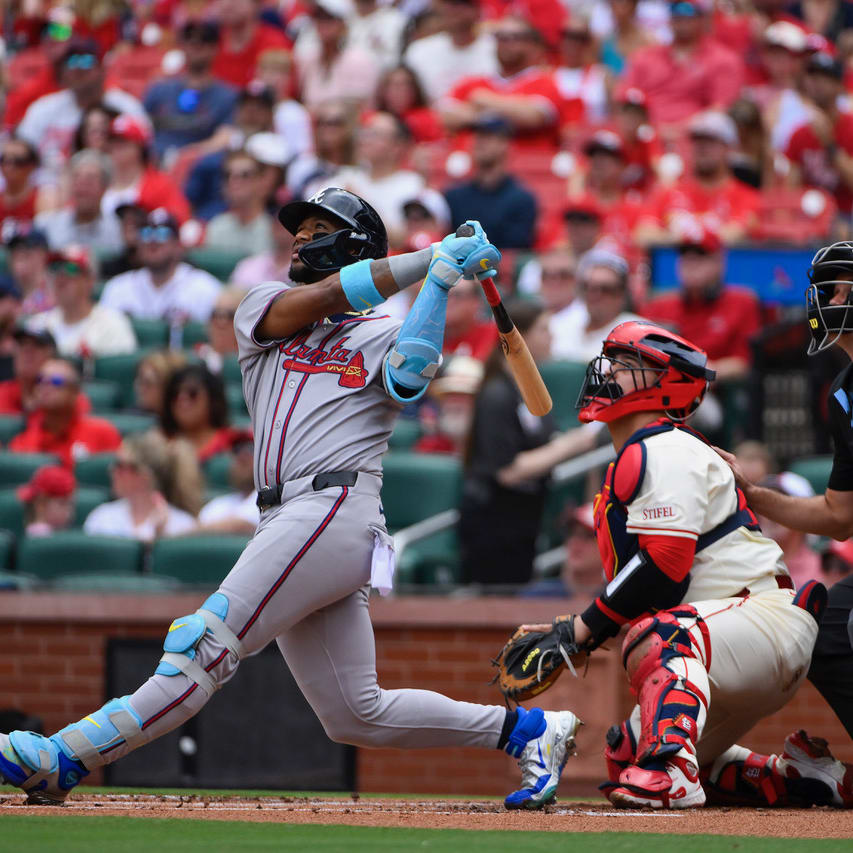
Having tallied 99 saves over the past three regular seasons, Estevez has earned plenty of recognition and hype, but I'm skeptical about his production moving forward. Last year, the veteran posted a 2.45 ERA, 1.06 WHIP, 3.66 FIP, 7.4 K/9, 3.0 BB/9 and 42 saves across 66 innings in his debut campaign with the Royals. A sparkling ERA and league-leading save total are nothing to dismiss, but career-low strikeout numbers and shakier underlying peripherals are important data points when projecting his outlook for 2026.
Estevez has never been a prolific strikeout pitcher, but generating swings and misses is a key trait for high-end relievers, and his 2025 numbers in that area raise concern. In addition to a 20.1 percent strikeout rate that placed him in the 30th percentile, the right-hander ranked in just the third percentile in chase rate (23.0 percent) and the eighth percentile in whiff rate (19.0 percent). Those marks, combined with batted-ball indicators such as a 14th percentile barrel rate (10.6 percent) and a first percentile groundball rate (25.4 percent), help explain his elevated peripherals and point toward potential regression if his batted-ball luck shifts.
Evaluating spring training performance can be tricky, but it's difficult to ignore that Estevez's fastball has averaged just 89.0 mph through two Cactus League outings, nearly seven ticks below the 95.9 mph average he carried last season. His velocity may climb as spring progresses, but the possibility of a pitcher who has thrown his fastball more than 50 percent of the time in every big-league season — and who doesn't generate many groundballs — relying on a diminished heater is concerning. With an ADP around 83, it feels as though Estevez is being valued largely for last year's save total and his past production, with insufficient weight given to the underlying metrics and questions surrounding his future performance.

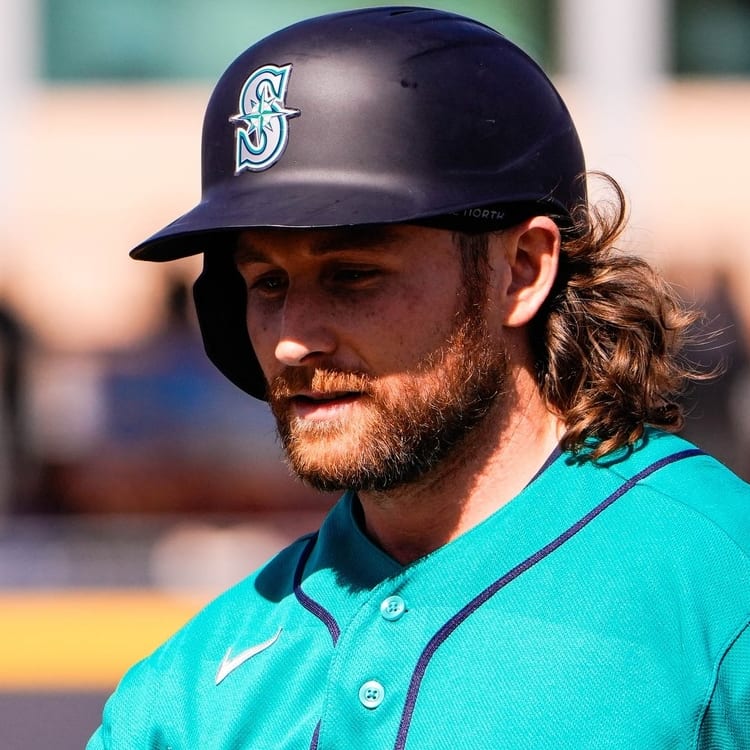
We close this list with Pagan, who has experienced varying levels of success throughout his big-league career dating back to 2017 but is coming off a strong 2025 campaign. In 68.2 regular-season innings, he posted a 2.88 ERA, 0.92 WHIP, 3.71 FIP, 10.6 K/9, 2.9 BB/9 and 32 saves. Entrenched as the primary closer for the Reds, the right-hander set a career high in saves, surpassing his previous top mark of 20 with the Rays in 2019. There are plenty of positives to take away, but also reasons to proceed with caution.
The positives show up both in the surface stats and the underlying metrics. Pagan ranked in the 99th percentile in expected batting average (.181), 91st percentile in expected ERA (2.89), 90th percentile in chase rate (32.6 percent) and 89th percentile in strikeout rate (30.0 percent). The concerns surrounding the 34-year-old stem primarily from his profile as a flyball pitcher. Pagan ranked in the third percentile in groundball rate at 29.1 percent, nearly identical to his 29.7 percent career mark. With opposing hitters consistently elevating the ball, home runs are a major factor, an issue which has followed Pagan throughout his career. Even during his strong 2025 season, he still allowed 1.3 HR/9, a high figure that nevertheless came in below his career 1.5 HR/9 mark. Flyball variance is difficult to predict, but pitching primarily in a hitter-friendly park such as Great American Ball Park is an added risk, not to mention potential regression from the .200 BABIP he posted last season, which marked a career low over a full year.
Pagan has shown flashes of dominance and has put together strong runs, but the reality is that he has yet to record back-to-back sub-3.00 ERA seasons in the majors and has posted an ERA above 4.00 in four of the past six years. With that track record of inconsistency, coupled with a flyball-heavy profile in a bandbox of a stadium, the potential for regression is difficult to ignore. With an ADP hovering around 115, I'd be wary of investing that level of draft capital in Pagan and would instead prefer to take a shot on Daniel Palencia, who is typically available a few picks later.
Who are your top breakouts and busts at reliever for 2026? Let us know in the comments below.
For up-to-the-minute updates on injuries, lineups, roster changes and more, head to RotoWire's Fantasy Baseball News & Latest MLB Updates or follow @RotoWireMLB on X.