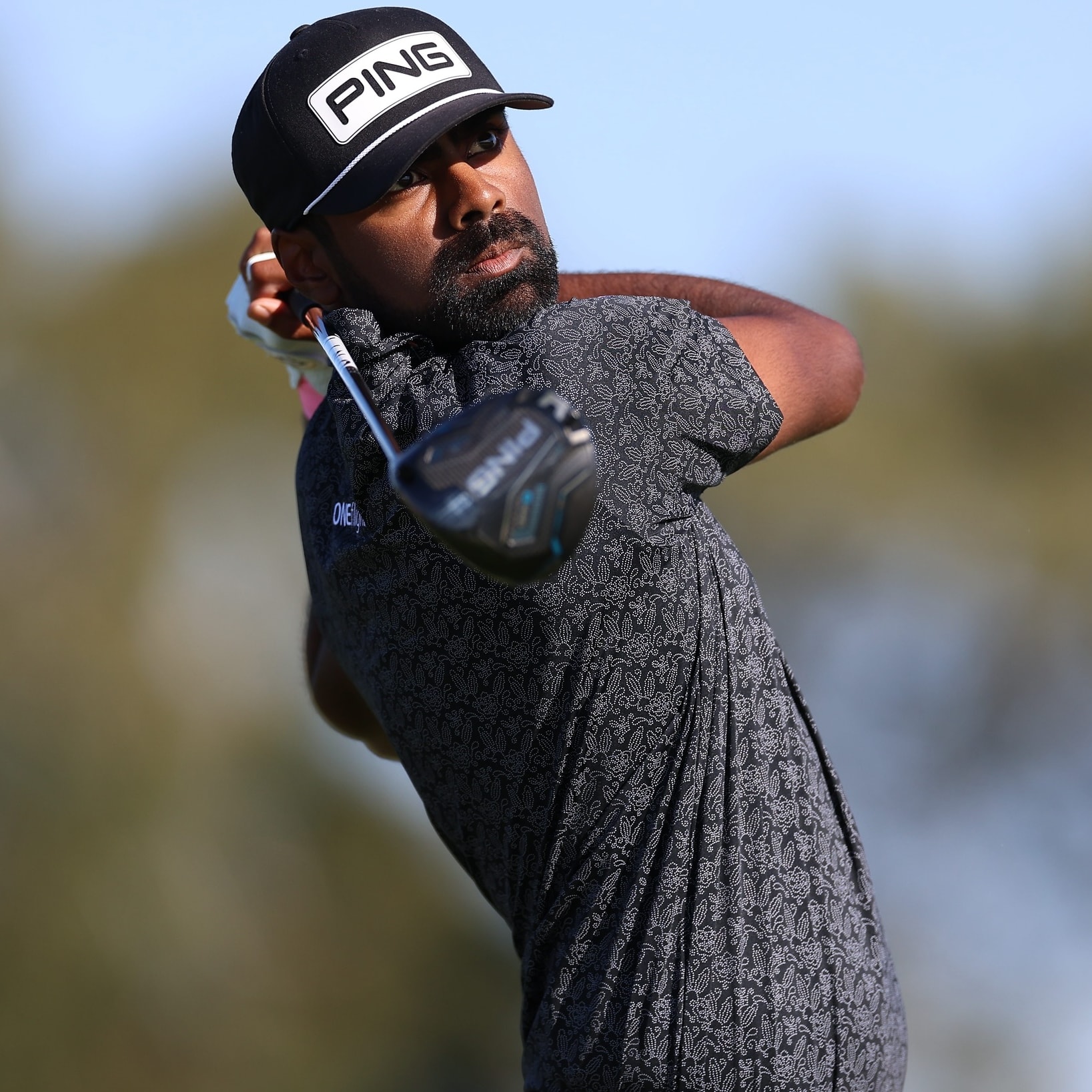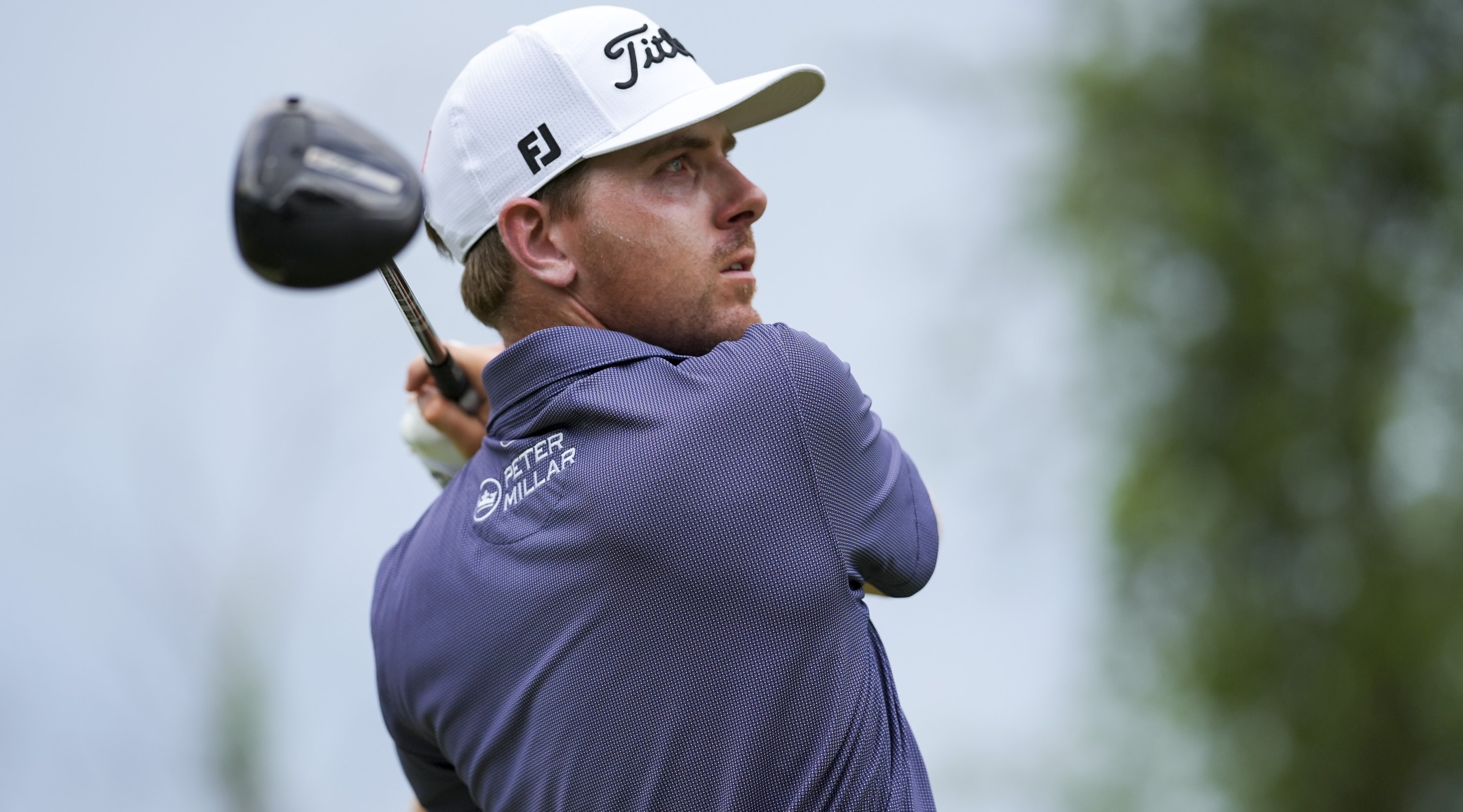





Golf is perhaps the most challenging sport to get into from a fantasy perspective. There are a lot of different layers to pull back. Most people start with pretty basic research into how they've done the last few tournaments, maybe even how they have performed at a given tournament in the past, but the best fantasy players are able to really dive in the weeds and find statistics to give them an advantage.
The tricky thing is that the statistics that mean the most are going to vary from course to course because the PGA Tour schedule is so diverse. Unlike football or basketball, the playing surface is different every week. The grass that is used, the length of the course, the height of the rough, the amount of water or bunkers, the shapes of the holes, the wind, all these things change from tournament to tournament.
There are plenty of PGA stats to go through, but there are five stats that reign supreme regardless of the course. Understanding and using these will help you gain an advantage as a fantasy player and gain a better perspective on the world of fantasy golf.
Be sure to dive into our entire fantasy golf draft kit, which includes all the tools you will need for success, including fantasy golf cheat sheets.
1. Strokes Gained: Tee-to-Green
Certain stats have different levels of importance each week based on the course. One that is universally respected no matter the venue is SG: Tee-to-Green. This is the measure of how many strokes a player gains against the field average per round off the tee, on approach and around the green. On most occasions the players who rank highly in this stat for the week are likely to find themselves up at the top of the leaderboard by Sunday afternoon.
World No. 1 Scottie Scheffler has led the PGA Tour the last three seasons in SG: Tee-to-Green by an incredible margin on each occasion. In 2025 he was more than a full shot better per round than Rico Hoey who ranked second in SG: Tee-to-Green (2.361 vs. 1.301). That same gap from first to second is the same gap from second down to 74th last season in SG: Tee-to-Green. Scheffler's numbers alone in this stat tell you just how dominant of a player he is.
2. Birdie Average
If you're playing DFS or a lot season-long fantasy golf leagues, you know the importance of making birdies. Because of the scoring format, an even-par round with nine birdies and nine bogeys is worth significantly more points than an even-par round with 18 pars. Players who rank high in birdie average are typically very appealing.
For example, Harry Hall had a pretty good season in 2025, but ranked third in birdie average on the PGA Tour just behind Scheffler at 4.56 birdies per round. Hall is not really in Scheffler's class, nobody is right now for that matter, but he is an elite putter and does a great job of taking advantage of the opportunities for birdies that he gets. Xander Schauffele had a very similar season to Hall, but was way down at 81st in birdie average (3.92), so he wasn't as strong of a DFS play.
3. Approaches from 50-125 Yards
This is known as the scoring range on the PGA Tour. If a golfer is approaching the green from this range they are expecting to get the ball close. With how the modern game is trending, most players of above average length are going to have the majority of their approaches from this range, so this is a stat players look at a lot and try to really dial in their distance control. As noted above, birdies are big in most fantasy golf formats, and if you're getting the ball closer to the hole from an approach range you are going to see a lot, you're going to have better opportunities at birdies.
It shouldn't come as a surprise that Scheffler led the PGA Tour in proximity from 50-125 yards along with Justin Thomas, who was another player that ranked high up in birdie average. Sepp Straka and Russell Henley both had career years in 2025 and also ranked in the top 5. The level of importance of this range will vary some week-to-week depending on the course, but it's generally the most crucial for scoring.
4. Par-4 Scoring Average
It's pretty simple, but it tells a lot. Your standard course is going to have four par-3s, four par-5s and 10 par-4s. With players getting longer and longer, many courses have converted some of the shorter par-5s into par-4s to try and keep scoring in check. Typically the best players are going to rank pretty high in this category because par-4s are the majority of the holes played.
Scheffler again led this category last year with a 3.89 stroke average. The gap to Patrick Cantlay in second with a 3.94 average is the same gap from second to 42nd. Tommy Fleetwood and Russell Henley were also among the top 10 in par-4 scoring after great season's in 2025. In Fleetwood's case he won the FedExCup.
5. Putts per Green in Regulation
This stat usually correlates pretty closely with birdie average. It basically asks how efficient are you with the putter when you hit the green in regulation, or more simply have a putt for birdie. Harry Hall led this stat in 2025 at 1.677 putts per GIR. The PGA Tour average sits at 1.761, which doesn't sound like a big difference, but the margins are so small on Tour and add up over the course of an entire season. A 1.761 putts per GIR average would rank 112th on Tour.
The top 10 in this stat is loaded of players who were among the best across all fantasy formats last season. Scheffler, Rory McIlroy, Fleetwood, Sam Burns, Cameron Young and Thomas all fall into that category. All of those players are the most efficient when they give themselves birdie chances. That's a combination of them hitting it closer to the hole than the average player and being a better putter than the average player.
Conclusion
Golf is one of the most unique sports because the playing area is different each week. Each course is going to reward certain skillsets at a varying rate and punish you for weaknesses in certain areas in different ways. You'll need to use a different combination each week to find what would be optimal, and that can also change on other factors like weather conditions. But for the sake of simplicity, these five stats will never let you down. If you grade out highly in SG: Tee-to-Green, Birdie Average, Approaches from 50-125 Yards, Par-4 Scoring Average and Putts per GIR you are going to be an elite fantasy option each week.
For up-to-the-minute updates on the PGA injury report, tournament participation and overall golfer performance, head to RotoWire's latest golf news or follow @RotoWireGolf on X.