Doing some bracket research ahead of March Madness? See our full list of teams here, alphabetically, alongside previews that detail each program's strengths and weaknesses. I'll include the previews as straight text, as well as in a table format at the bottom.
To view this in the context of a bracket, head to our NCAA Tournament Bracket page.
2026 NCAA Tournament Team Previews - Outlooks, Strengths & Weaknesses
 Akron Zips (29-5)
Akron finished the year on a 19-1 run to win the MAC tournament title and automatic bid. The Zips don't have a Quad 1 win, playing Purdue within 20, and losing tighter games to Yale, Miami (OH) and Troy, which resulted in a 54 NET ranking. Coach John Groce's team does a lot well, however, primarily on offense. The Zips rank top-15 in both two- and three-point field-goal percentage, with four players averaging double figures, led by senior point guard Tavari Johnson (20.1 ppg, 5.0 apg). Johnson, Shammah Scott (12.7 ppg) and Bowen Hardman (7.9 ppg) each have made 75-plus treys for a top-10 team nationally in three-pointers made per game. Down low, 6-9 senior Amani Lyles (14.6 ppg, 8.0 rpg) takes care of business, but he's the tallest rotational player by three inches, as Akron ranks 350th in average height. That leads to struggles with defensive rebounding (152nd) and perimeter defense (253rd). Akron needs a favorable matchup to pull off an upset.
 Alabama Crimson Tide (23-9)
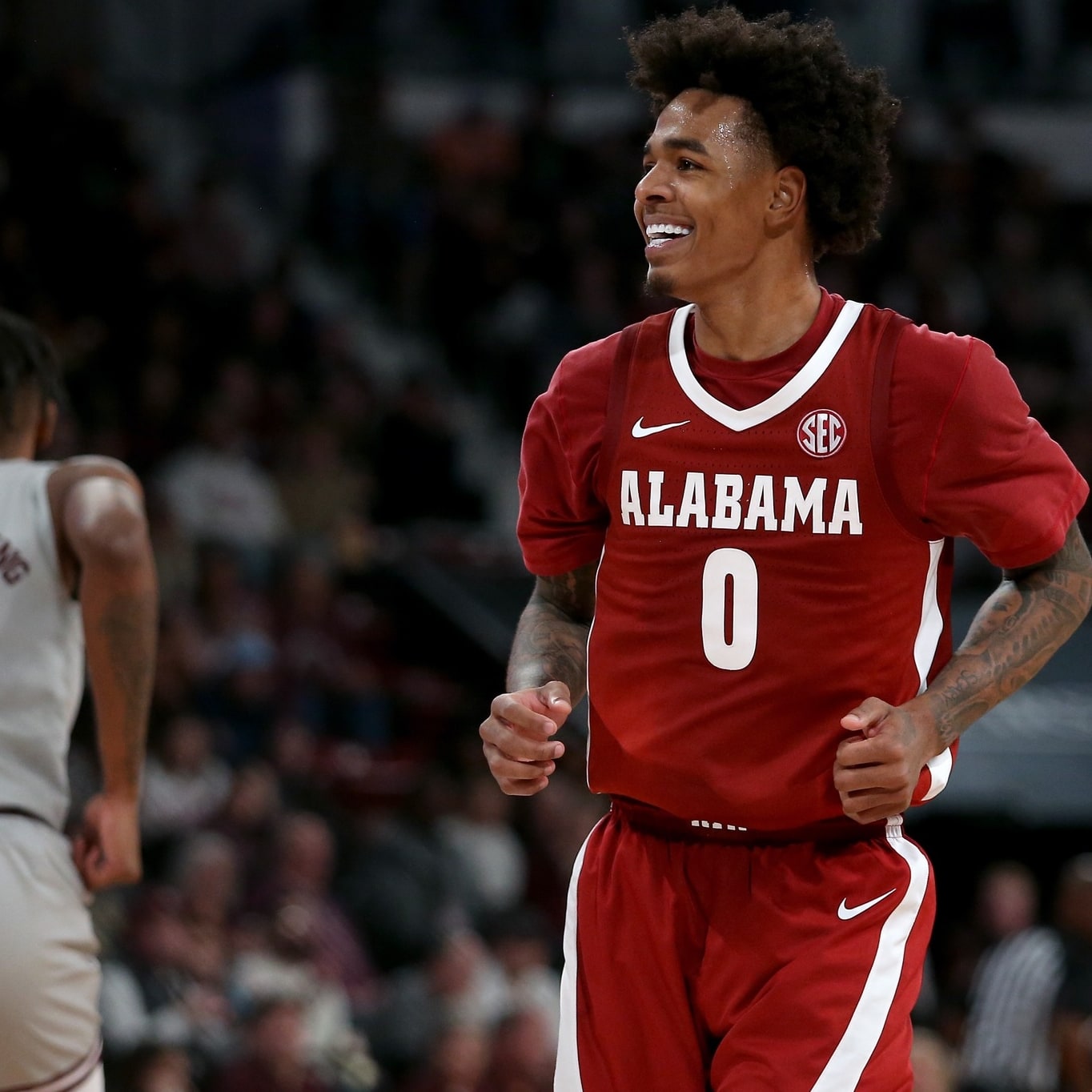
Alabama enters the NCAA Tournament as one of the most fun teams to watch. The Crimson Tide play at a fast pace, fourth in KenPom's adjusted tempo, and attempt more three-pointers per game than any team in the nation. Three players have cashed at least 65 threes, led by potential NBA lottery pick Labaron Philon (21.7 ppg, 4.7 apg), who shoots 40.2 percent from deep as a top-20 scorer nationally. Junior point guard Aden Holloway (16.8 ppg) hits a team-high 43.8 percent from distance, with three other mainstays averaging double figures. The result is the nation's third-most efficient offense, per KenPom. Defense falls behind, ranking 67th, but, most important, the Tide are battle tested. Alabama is No. 1 nationally in just about every strength of schedule metric and is 7-7 in Quad 1 with only two losses outside the top quadrant, though one was to 15 seed Ole Miss in the SEC tourney quarterfinals. Still, don't count out Nate Oats and company as Final Four candidates.
 Arizona Wildcats (32-2)
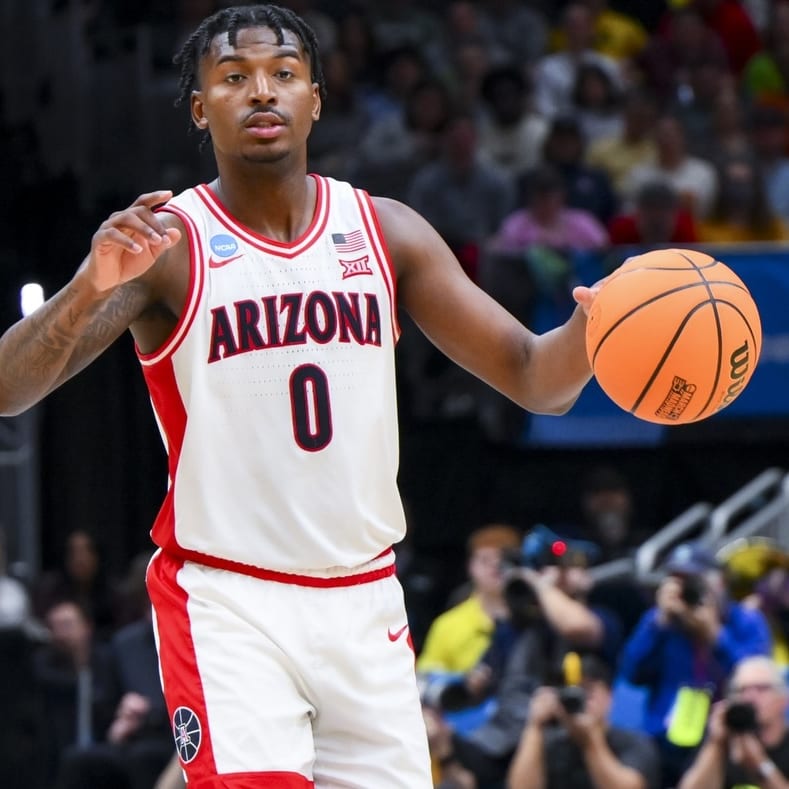
Coming off its first Big 12 regular-season and tournament titles, Arizona is in the midst of its best season since coach Tommy Lloyd's 33-win debut in 2021-22. In the paint, 7-2 Motiejus Krivas (10.5 ppg, 8.1 rpg), Ivan Kharchenkov (10.1 ppg, 4.1 rpg) and Tobe Awaka (9.4 ppg, 9.5 rpg) attack and defend the basket relentlessly, earning the team top-5 rankings in both offensive and defensive efficiency, per KenPom. Big 12 Player of the Year Jaden Bradley (13.3 ppg, 4.5 apg) gives the Wildcats senior experience at point guard, but the X-factor is NBA-caliber freshmen Brayden Burries (15.9 ppg) and Koa Peat (13.6 ppg). Peat missed three games in late February but is healthy entering the tournament. Burries, who has 13 20-point games, is the only consistent three-point shooter at 36.7 percent on 142 attempts. Perhaps the only concern for the West's No. 1 seed is recent history -- Lloyd has yet to take the Wildcats past the Sweet 16 despite strong teams.
 Arkansas Razorbacks (25-8)
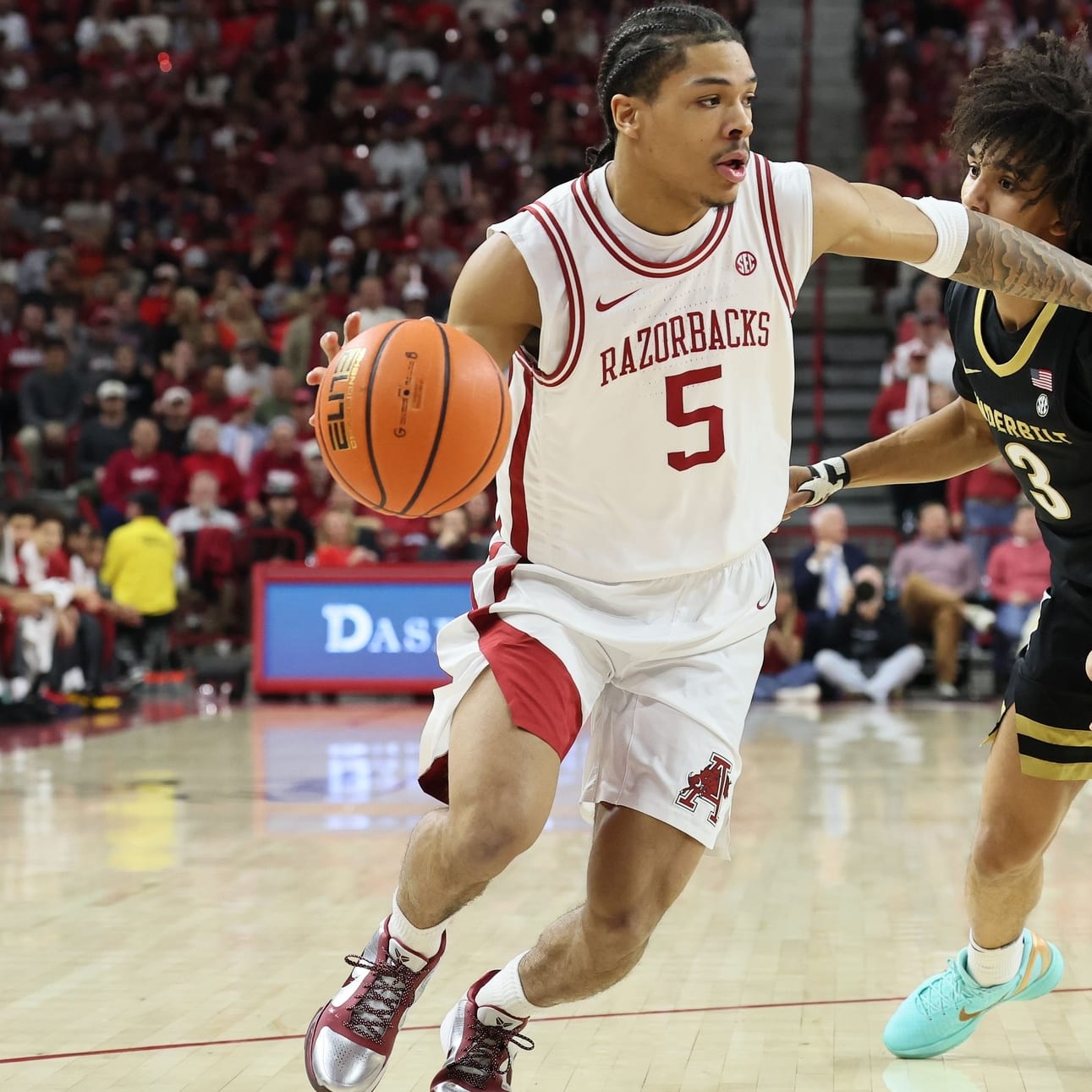
In his second year at Arkansas, John Calipari has his second NCAA Tournament berth, looking to get to the second weekend after doing so as a 10 seed in 2025. SEC Player of the Year Darius Acuff (22.9 ppg, 6.5 apg), a sure-fire NBA lottery pick, plays beyond his years, leading the team in scoring after taking over point guard early this season and shooting a team-high 44.5 percent on three-pointers. The Razorbacks rank eighth in the nation in three-point shooting (38.9 percent) and boast the nation's lowest offensive turnover rate, committing the fourth-fewest turnovers per game among tournament teams. Fellow freshman Meleek Thomas (15.3 ppg), who shoots 42.1 percent from deep, can take over games as well for the nation's sixth-best offense (per KenPom). Three seniors rotate in the frontcourt, led by 6-10 Trevon Brazile (13.2 ppg, 7.4 rpg). Arkansas has not lost consecutive games this season, and played Duke and Houston to within single digits. The Razorbacks have the firepower to make a run.
 BYU Cougars (23-11)
BYU's story starts and ends with freshman phenom AJ Dybantsa (25.3 ppg, 6.7 rpg, 3.8 apg), a Wooden Award contender who leads the nation in scoring, including a conference-record 93 points in three Big 12 tournament games. The 6-9 forward, who topped 20 points in 27 games this season, could cement himself as the No. 1 pick in the NBA Draft if BYU makes the Sweet Sixteen. They'll have to do it without 6-5 senior Richie Saunders (18.0 ppg, 5.8 rpg), who tore an ACL in February. That -- and a tough Big 12 schedule -- is partly why BYU finished the year on a 7-10 skid after a 16-1 start that included Quad 1 wins over tournament teams Villanova, Wisconsin, Miami and Clemson. The Cougars win with offense, ranking 10th nationally in efficiency, per KenPom. Defense is a bit behind (57th), as they allow opponents to shoot 35.3 percent (264th) from the perimeter. That might not matter, though, if Dybantsa continues to light up opponents.
 California Baptist Lancers (25-8)
The Lancers are in the NCAA Tournament for the first time in program history thanks to WAC Player of the Year Dominique Daniels, who hit three three-pointers in the final two minutes to win the conference tournament title as the two seed. A bonafide star, Daniels is fifth in the nation in scoring at 23.2 points per game, topping 20 points in 23 games this season. Daniels is essentially the entire offense. The team ranks 302nd in effective field-goal percentage and 191st in efficiency, per KenPom. Defense is much tougher, as the Lancers are top 50 in efficiency while holding opponents to 29.7 percent shooting from three-point range, sixth in the nation. Cal Baptist has Quad 2 wins against UC Irvine and Utah Valley and no Quad 4 losses, but it lost by 31 points to BYU in its only Quad 1 game. That's the caliber of opponent the Lancers will face in the first round against No. 4-seed Kansas.
 Central Florida Knights (21-11)
UCF started the season 12-1 with a Quad 1 victory over Kansas in the Big 12 opener but struggled late, losing six of its final nine regular-season games and falling to Arizona by 22 points in the conference tourney quarterfinals. The metrics (51 NET, 54 KenPom) ultimately kept UCF on the right side of the bubble, sending the Knights dancing for the first time since 2019. Milwaukee transfer Themus Fulks (14.0 ppg, 6.7 apg) drives the bus, as the senior point guard set the school single-season assist record. Riley Kugel (14.4 ppg) shoots 39.2 percent from three-point range, while 6-8 senior Jamichael Stillwell (11.7 ppg, 8.0 rpg) is a steady double-double threat (eight this season). The Knights have good size in the rotation, including 7-2 John Bol (6.0 ppg, 5.5 rpg, 1.1 bpg), and rank top 30 in KenPom's average height metric. That helps on the glass where they rank 62nd in offensive rebounding rate and 101st on defense. But the late-season struggles make it hard to feel good about UCF.
 Clemson Tigers (24-10)
After last year's opening-round upset loss to McNeese, coach Brad Brownell re-tooled his roster entirely. He found his top-5 scorers via the portal, led by 6-8 Georgia transfer RJ Godfrey (11.9 ppg, 5.3 rpg), and built a deep rotation. A key piece was lost in the ACC tournament, however, as 6-10 center Carter Welling (10.2 ppg, 5.4 rpg) tore an ACL. Clemson's top-20 defensive rebounding rate is bound to take a hit without the team's leading rebounder. The Tigers are 20th in defensive efficiency, per KenPom, but aren't as dynamic offensively, lacking a standout perimeter shooter, ranking 169th nationally in three-point percentage (34.1). Clemson is 6-6 in Quad 1 with signature wins over Louisville and North Carolina, as well as two double-digit losses to top-seeded Duke, and took care of business against lesser competition, going 11-0 in Quads 3 and 4. But the Tigers' ceiling beyond the first round depends on how they overcome their missing big man.
 Connecticut Huskies (29-5)
Looking for his third national championship in four years, coach Dan Hurley has a wealth of experience to lean on, as the Huskies enter the NCAA Tournament as a No. 2 seed. Junior guards Solo Ball (13.5 ppg) and Silas Demary (10.9 ppg, 6.2 apg) man the backcourt, while 6-8 senior Alex Karaban (12.6 ppg, 5.2 rpg) and 6-11 senior Tarris Reed (13.7 ppg, 8.1 rpg) patrol the paint, though the former is plenty capable of stepping outside, hitting 38.6 percent of his three-pointers. UConn's efficiency numbers (30th in offense, 11th in defense, per KenPom) might be low for a two seed, but a down year in the Big East bears some blame, and the Huskies had big wins against Illinois and Florida, showing they can play with anyone. While their seven Quad 1 wins is fewer than expected for a high seed, their KenPom and Net ratings are on par with the team that cut down the nets in 2023. Don't sleep on another run.
 Duke Blue Devils (32-2)
For the second consecutive year, advanced metrics place the Blue Devils among the best teams of this era. Not only does Duke sit atop KenPom's ratings, but the team leads the nation in the NET and is No. 2 in wins above bubble (WAB). The Blue Devils are one of two teams (Arizona) to rank top 5 in both offensive (4th) and defensive (2nd) efficiency, per KenPom, led on both ends by future NBA lottery pick Cameron Boozer (22.5 ppg, 10.2 rpg, 4.2 apg), a 6-9 freshman who shoots 40.9 percent from distance. Isaiah Evans (14.9 ppg) adds 36.5 percent three-point shooting on 252 attempts. The knock on this team is inexperience, as the eight-man rotation features six underclassmen. That hasn't stopped it thus far -- Duke's 17 Quad 1 wins lead the nation. What might stop it is injuries, as 6-11 Patrick Ngongba (10.7 pg, 6.0 rpg, 1.1 bpg) and guard Caleb Foster (8.5 ppg) missed the ACC tournament. Ngongba hopes to play the opening weekend, but Foster won't return until the Final Four, if the No. 1 overall seed makes it that far.
 Florida Gators (26-7)
The reigning champions lost early to eventual No. 1 seeds Arizona and Duke but bounced back in the SEC to earn a No. 1 seed of their own, despite getting blown out in the conference tournament semifinals. Florida has perhaps the nation's best frontcourt, with 6-9 Thomas Haugh (17.1 ppg, 6.2 rpg), 6-11 Alex Condon (15.0 ppg, 7.7 rpg) and 6-10 Rueben Chinyelu (11.2 ppg, 11.5 rpg) returning from the title team. The Gators rank second nationally in offensive rebounding rate and eighth in defensive and are top 25 in both offensive and defensive two-point field-goal percentage. Coach Todd Golden re-stocked the backcourt with transfers Boogie Fland (11.6 ppg, 3.4 apg) and Xaivian Lee (11.5 ppg, 4.1 apg) but neither matches the scoring prowess of last year's star Walter Clayton. Depth is a concern (330th in bench minutes), as is three-point shooting (324th). Part-time starter Urban Klavzar (9.7 ppg) is the only bench player who gets heavy run and the only consistent three-pointer shooter (40.2 percent). Still, Florida's experience and talent make a repeat possible.
 Furman Paladins (22-12)
Furman is in the NCAA Tournament for the first time since 2023 when it knocked off Virginia as a 13 seed. Only one main contributor, Ben VanderWal (7.3 ppg, 5.5 rpg), is back from that squad, but coach Bob Richey's re-tooled roster rallied to win the SoCon tournament as the sixth seed. Freshman point guard Alex Wilkins (17.7 ppg, 4.7 apg) is the top scorer, but the Paladins' strength is down low where 6-11 twin towers Cooper Bowser (14.0 ppg, 6.0 rpg, 1.1 bpg) and Charles Johnston (9.8 ppg, 9.1 rpg) rule the paint. The big-man duo helps Furman rank 14th nationally in two-point shooting at 59.0 percent. The Paladins have some holes, however. Furman doesn't force many turnovers (bottom 20 nationally), shoots 69.8 percent from the line (276th) and has few quality wins -- all three Quad 1/2 games were losses by an average of more than 16 points. Metrics don't suggest upset, but intangibles, mainly an upperclassmen dominated rotation, put it on the table.
 Georgia Bulldogs (22-10)
Georgia enters the NCAA Tournament for the second consecutive season in search of its first win in the Big Dance since 2015. The Bulldogs are offense-first, ranking 16th in efficiency (per KenPom) and averaging 89.8 points per game -- fifth most in the nation. Sophomore guard Jeremiah Wilkinson (17.0 ppg) leads four double-digit scorers with 72 three-pointers made, while 6-11 center Somto Cyril (9.6 ppg, 5.6 rpg, 2.3 bpg) earned All-SEC Defensive Team honors thanks to his shot-blocking prowess. Despite Cyril's presence, rebounding is a major weakness, as the Bulldogs rank bottom-30 nationally in defensive rebounding rate. Nevertheless, Georgia's resume is strong, with its 6-7 Quad 1 record showing the Bulldogs can hang with top teams. At 32 on KenPom and 33 in the NET, the metrics like Georgia far better than its No. 8 seed suggests.
 Gonzaga Bulldogs (30-3)
Gonzaga enters this year's tournament ranked sixth in the NET and 10th by KenPom, with a resume built on non-conference wins against tournament teams Alabama, Kentucky and UCLA. The Zags have faced their share of adversity this season. Injuries, eligibility issues and a point-guard timeshare has led to coach Mark Few using 13 starting lineups. No injury was more impactful than that to 6-10 forward Braden Huff (17.8 ppg, 5.6 rpg), who hasn't played since hurting his knee in early January and is doubtful to return for the first weekend of the tournament. Gonzaga still has WCC Player of the Year Graham Ike (19.7 ppg, 8.2 rpg) to anchor the paint, though. The 6-9 senior posted a career high in scoring and a three-year high in rebounding in his fifth collegiate season, leading a defense that is 10th in efficiency, per KenPom, and 19th in rebounding rate. Gonzaga is 30-3, but a Quad 3 loss -- the only team in the NET top 20 with one -- and a 40-point loss to No. 1 seed Michigan show the Zags could be susceptible to a letdown, especially without Huff.
 Hawaii Rainbow Warriors (24-8)
Hawaii ended its final Big West season by winning the conference tournament and snapping an NCAA Tournament drought of nearly a decade. The Rainbow Warriors win with a unique 'no-help' defense, designed to force contested shots. It ranks 16th nationally in opponent effective field-goal percentage and 10th in rebounding rate to place 42nd in efficiency, per KenPom. Utah State transfer and 7-foot senior Isaac Johnson (14.1 ppg, 5.8 rpg, 1.1 bpg) has made all the difference in the interior, but 6-9 Harry Rouhliadeff (10.8 ppg, 5.0 rpg) and 6-8 Gytis Nemeiksa (9.3 ppg, 4.9 rpg) also provide a boost inside. Hawaii's problem is turnovers, as the team has a negative turnover margin and ranks 317th in offensive turnover rate. Outside shooting is a weakness too, with only point guard Hunter Erickson (8.5 ppg, 3.8 apg) making at least 40 threes and the team shooting 31.6 percent from distance (300th). Without a Quad 1 or 2 win and two Quad 4 losses, Hawaii likely doesn't have the firepower for an upset.
 High Point Panthers (30-4)
With 30 wins and a 76 NET ranking, High Point seemingly boasts one of the better mid-major resumes entering the Big Dance. Strength of schedule, though, tarnishes the shine a bit. The Panthers played only two games in the top-2 quadrants (both losses) and are 342rd (of 365 teams) in KenPom's SOS metric. Nevertheless, High Point excels at using tempo and defense to create offense, ranking top 50 in KenPom's adjusted pace with the fifth-best defensive turnover rate in the nation. That leads to easy buckets -- the Panthers are top 50 in effective FG percentage, with most scoring coming from seniors Terry Anderson (16.0 ppg, 6.0 rpg) and Rob Martin (15.3 ppg). Senior Chase Johnston (6.1 ppg) is the best three-point shooter at 48.5 percent. The Panthers are riding the nation's longest active winning streak (14) into the tournament, but their first-round matchup vs. Wisconsin will be their toughest of the season, by a mile.
 Hofstra Pride (24-10)
Hofstra broke a 25-year NCAA Tournament drought by winning the CAA Tournament as the three seed, and the Pride might not be done yet. With a pair of Quad 2 wins and both KenPom and NET rankings in the top 100, Hofstra is a mid-major that poses danger. CAA Player of the Year Cruz Davis (20.2 ppg, 4.6 apg) is a superstar and freshman point guard Preston Edmead (15.9 ppg, 4.4 apg) was named CAA Rookie of the Year. Both have cashed 80-plus treys on at least 38 percent shooting, as the Pride rank 30th nationally in three-point percentage (36.8). Defensively, Hofstra is top 5 in opponent two-point percentage, anchored by 7-foot senior Silas Sunday (5.2 ppg, 6.9 rpg, 1.1 bpg), who helps the frontcourt force bad shots away from the basket -- Hofstra is fifth in KenPom's average two-point attempt distance metric. Winners of 11 of 12 entering the Big Dance, Hofstra has momentum, experience, defense and star power all in its corner.
 Houston Cougars (28-6)
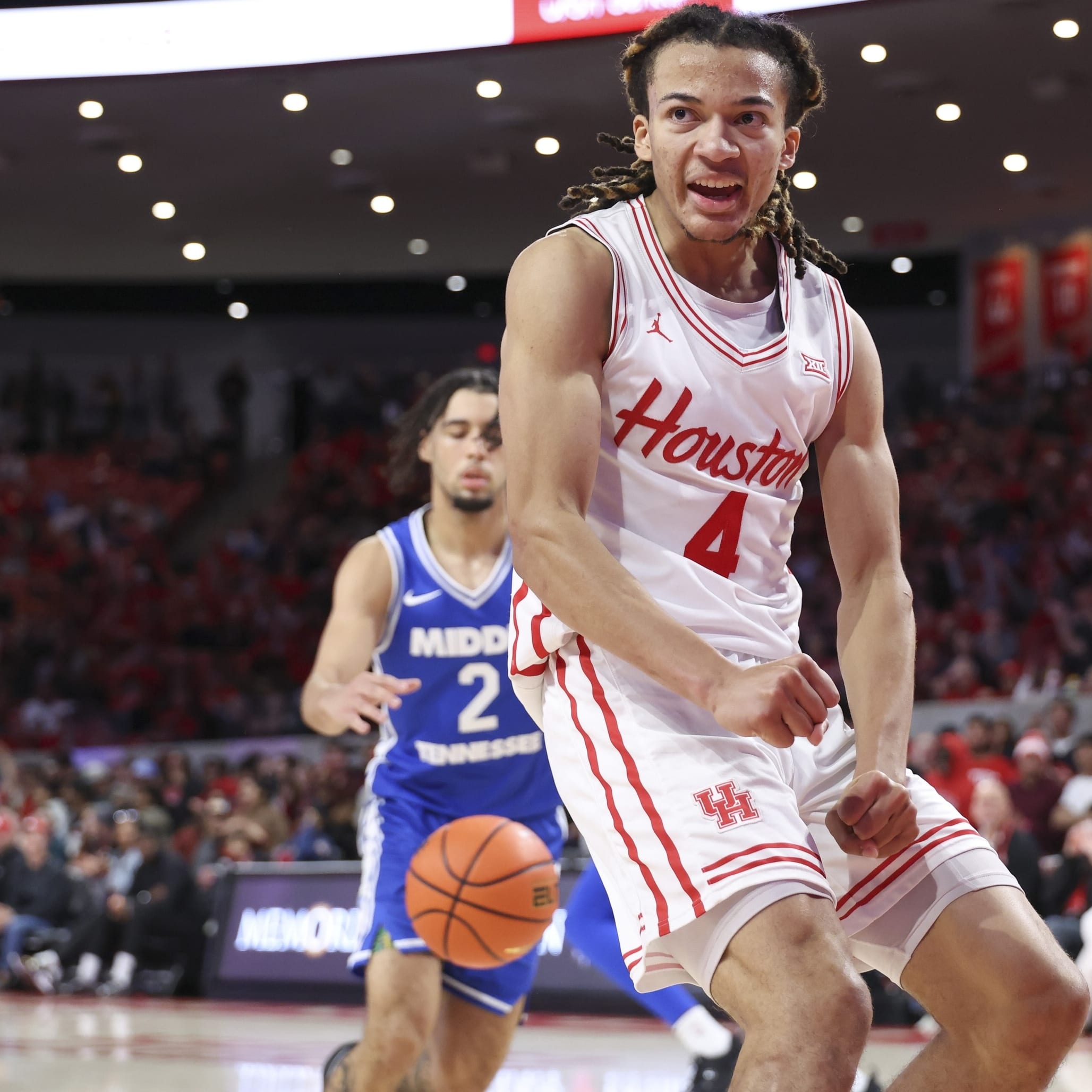
After falling in the national championship a year ago, coach Kelvin Sampson re-tooled his roster and is in prime shape for another deep tournament run. Sampson supplemented key returners Emanuel Sharp (15.3 ppg, 2.6 3PM), Milos Uzan (11.1 ppg, 4.0 apg) and Joseph Tugler (8.4 ppg, 5.4 rpg) with one of his best recruiting classes. A five-star recruit, 6-11 Chris Cenac (9.5 ppg, 7.5 rpg) complements (and sometimes overshadows) Tugler down low, but the standout is leading-scorer and future NBA first-rounder Kingston Flemings (16.4 ppg, 5.3 apg), the primary point guard and go-to shooter late in games who drains 39.2 percent from distance. As usual, though, Houston wins with defense. The Cougars allow the fewest points per game among tournament teams, rank fifth nationally in KenPom's defensive efficiency rating and sport a top-15 defensive turnover rate. All five of Houston's losses this season came against top-20 teams in the NET, but the Cougars won't face that caliber until at least the second weekend.
 Howard Bison (23-10)
Howard is in the NCAA Tournament for the third time in four seasons after winning the MEAC regular-season and tournament titles. The Bison are just outside the top 200 in the NET ratings, but they at least challenged themselves in non-conference play, traveling to Duke (a 37-point loss) and winning a Quad 2 matchup against UNC-Wilmington. Otherwise, 22 of their 32 games came in Quad 4, where they have six losses. The key is 6-7 junior Cedric Taylor (17.1 ppg, 6.7 rpg), who missed the first 11 games but provided an immediate boost upon returning. He joins Bryce Harris (17.1 ppg, 6.9 rpg) and two other double-digit scorers for an offense that ranks 283rd in KenPom's efficiency metric. The Bison hurt themselves with a bottom-25 offensive turnover rate, though they partially make up for it on defense with top-20 marks in turnover rate and opponent three-point shooting. Howard can win the 16-seed play-in game with that scheme, but that's probably it.
 Idaho Vandals (21-14)
It has already been a Cinderella story for Idaho, which won four games in five days as the seven seed in the Big Sky tournament to clinch its first NCAA Tournament berth since 1990. A deep rotation features six players with 90-plus three-point attempts, led by senior Isaiah Brickner (12.1 ppg, 3.9 rpg), who gave the Vandals a 23-point double-double in the conference title game. Brickner shoots 42.2 percent from the perimeter, as the Vandals convert 34.5 percent from deep (148th). A 6-7 freshman, Jackson Rasmussen (13.9 ppg, 4.7 rpg) leads three others in double figures. Defensively, Idaho pounds the glass, ranking fifth nationally in defensive rebounding rate. But the Vandals haven't been tested much. They haven't even played a Quad 1 opponent and are 0-3 vs. Quad 2. That at least sets the stage for what would be a monumental upset in the opening round vs. No. 2-seed Houston.
 Illinois Fighting Illini (24-8)
Illinois has the nation's most efficient offense, with scorers at every position, dominant offensive rebounding (3rd) and excellent free-throw shooting (6th). The Illini are also healthy after midseason injuries to 6-7 junior Andrej Stojakovic (13.4 ppg, 4.6 rpg) and senior guard Kylan Boswell (13.2 ppg, 3.3 apg). Their absences allowed 6-6 freshman and leading-scorer Keaton Wagler (17.9 ppg, 4.8 rpg, 4.4 apg) to blossom into an NBA lottery pick. Wagler shoots 40.2 percent from deep, while stretch forwards David Mirkovic (13.4 ppg, 7.8 rpg) and Ben Humrichous (6.1 ppg, 4.1 rpg) can step out and hit the three as well. Manning the frontcourt are twin towers (pun intended) in 7-1 Tomislav Ivisic (10.0 ppg, 5.5 rpg) and 7-2 Zvonimir Ivisic (7.0 ppg, 4.8 rpg, 2.1 bpg). Illinois goes eight deep, with every player, sans Boswell, at least 6-6, making it the nation's tallest team in KenPom's average height metric. They're not as strong defensively -- 28th in efficiency, last in turnover rate -- but that might not matter if they drop 85 a night.
 Iowa Hawkeyes (21-12)
Coach Ben McCollum made the short drive from Drake to Iowa this offseason, bringing senior point guard Bennett Stirtz (20.0 ppg, 4.5 apg) with him, and the result was an NCAA Tournament berth after a two-year drought for the Hawkeyes. Iowa is 31st nationally in both offensive and defensive efficiency, per KenPom. The Hawkeyes shoot it well, ranking 16th in effective field-goal percentage, with Stirtz hitting 37.6 percent from the perimeter and 6-8 Cooper Koch (7.7 ppg) converting 39.4 percent. But they struggle to defend shots -- 252nd in opponent effective field-goal percentage. A slow pace (8th-slowest in adjusted tempo, per KenPom) masks some of that deficiency and keeps games close, as does a penchant for turnovers (top 15 in defensive turnover rate). But the Hawkeyes are 4-9 in Quad 1, with every win in the Big Ten and only one of those against a top-6 conference team (Nebraska). They also have two Quad 3 losses. Iowa likely will go as far as Stirtz takes it.
 Iowa State Cyclones (27-7)
Iowa State started a program-best 16-0 before dropping six games in the tough Big 12, with five losses on the road. The Cyclones have plenty of returning contributors, ranking 11th in KenPom's experience metric, which partly explains their No. 4 ranking in defensive efficiency. Turnovers are a bigger factor in their defensive success -- ISU has the nation's fourth-highest defensive turnover rate. Offensively, the Cyclones thrive off the nation's best three-point shooter in 6-8 junior Milan Momcilovic (17.1 ppg), who hits 49.6 percent from deep. Freshman Jamarion Batemon chips in with 38.9 percent from perimeter, hitting 51 threes in only 15.3 minutes per game. Seniors Joshua Jefferson (16.9 ppg, 7.6 rpg) and Tamin Lipsey (13.3 ppg, 5.0 apg) bring plenty of postseason experience. The Cyclones struggle at the foul line, ranking 340th (67.2 percent), which could haunt them in tight tournament games.
 Kansas Jayhawks (23-10)
The key storyline for Kansas has, for better or worse, revolved around freshman, leading scorer and potential No. 1 NBA Draft pick Darryn Peterson (19.8 ppg). The 6-6 guard missed 11 games to hamstring and ankle injuries and other undisclosed issues, eliciting not-so-subtle allegations of self-imposed minutes restrictions. The Jayhawks can function without him -- their best win came sans Peterson against No. 1 Arizona -- largely thanks to Illinois transfer Tre White (13.8 ppg, 6.7 rpg), floor general Melvin Council (12.9 ppg, 5.1 apg) and 6-10 breakout center Flory Bidunga (13.5 ppg, 9.2 rpg). The offense is just 57th in efficiency (per KenPom) but defense makes up for it with a top-10 ranking. KU is fourth in effective field-goal percentage allowed and sixth in block rate, paced by Bidunga's 2.6 rejections per game. The resume includes nine Quad 1 wins, including against Tennessee and NC State, but Kansas stumbled down the stretch, losing five of its last nine.
 Kennesaw State Owls (21-13)
Few expected Kennesaw State in the Big Dance, not only because the Owls went 10-10 in CUSA to enter the conference tournament as the six seed, but because they lost their best player and 20-point scorer Simeon Cottle in mid-January thanks to a point-shaving scandal. Without Cottle, the offense predictably suffered, falling to 144th in efficiency, per KenPom. Sophomore point guard and first-team All-conference selection RJ Johnson (14.5 ppg, 4.0 apg) helped pick up the slack, shooting 43.3 percent on three-pointers, but the Owls lack firepower. Defense is a bit better, particularly on the interior with 6-9 Braedan Lue (11.1 ppg, 5.4 rpg), 6-7 Frankquon Sherman (10.3 ppg, 8.4 rpg) and 6-8 Trey Simpson (9.2 ppg, 4.9 rpg), as the Owls are top 30 in opponent two-point percentage and top 15 in block rate. But without a Quad 1 or 2 win (though they played Alabama within 11) and four Quad 4 losses, the magic likely ends soon.
 Kentucky Wildcats (21-13)
Coach Mark Pope has Kentucky in the Big Dance for the second consecutive year, though with a lower seed this time. The offense's strength is guard play, led by seniors Otega Oweh (18.2 ppg, 4.6 rpg) and Denzel Aberdeen (13.2 ppg, 3.6 apg). Sophomore guard Collin Chandler (9.9 ppg) is the best three-point shooter at 42.7 percent. While the team has length (top 20 in average height), it doesn't help much on the defensive glass, as Kentucky is 163rd nationally in rebound rate. Four-star, 7-foot freshman Malachi Moreno (8.0 ppg, 6.4 rpg, 1.6 bpg) took on more minutes with prized transfer Jayden Quaintance, a 6-10 sophomore, limited to four games with a knee injury. Quaintance last played Jan. 7 but is hopeful for the tournament. The Wildcats are top 40 in both offensive and defensive efficiency (per KenPom), but the ceiling appears limited. Kentucky is winless vs. the NET top 12, and that's the caliber of competition it will need to beat to get to the second weekend.
 Lehigh Mountain Hawks (18-16)
The last time the Mountain Hawks were in the NCAA Tournament in 2012 they famously upset Duke as a 15 seed. This year, Lehigh fans even chanted 'We want Duke' in the closing moments of the Patriot League tournament final. They won't get Duke this year, but if they survive the 16-seed play-in game in the South, No. 1 Florida awaits. Lehigh is one of the lowest-ranked teams in the field with a NET rating of 275 and landing outside the top 250 nationally in both offensive and defensive efficiency, per KenPom. They're also notably poor on the offensive glass, with a bottom-15 rebounding rate, as 6-9 center Hank Alvey (15.0 ppg, 6.9 rpg, 1.8 bpg) is the only rotation player taller than 6-8. On the bright side, junior point guard Nasir Whitlock (21.0 ppg) is a star, hitting 44.5 percent from the perimeter for a team that ranks 38th nationally in three-point percentage (36.5). Despite that possible equalizer, chances are thin that Lehigh repeats its upset history.
 LIU-Brooklyn Sharks (24-10)
Long Island earned the first NCAA Tournament berth of 2026, clinching the NEC's automatic bid even before the conference tournament title game because runner-up Mercyhurst was ineligible. The NEC regular-season champs, LIU is coached by former NBA star Rod Strickland, who fields four double-digit scorers led by senior wing Jamal Fuller (16.4 ppg, 5.5 rpg), a 43.8 percent three-point shooter. Turnovers are a problem, however. The Sharks are bottom 50 nationally in both turnovers per game and offensive turnover rate. They also struggle from foul line, shooting 66.8 percent -- 344th in the nation. LIU is 198 in the NET and 0-2 in both Quads 1 and 2, notably losing to Illinois by 40 in non-conference play. The Sharks' reward is No. 1 Arizona in the West Region.
 Louisville Cardinals (23-10)
The Pat Kelsey rebuild took another step this season, as a tougher non-conference schedule and eight Quad 1 wins vaulted Louisville to a six seed in the NCAA Tournament, its highest in nearly a decade. The Cardinals rank 20th nationally in offensive efficiency (per KenPom) thanks to skilled shooting. A deep bench of three-point marksmen has attempted the fourth-most threes in the nation (32.3 per game), hitting 35.7 percent (76th). They're even better inside the arc, converting 59.7 percent (9th). Xavier transfer Ryan Conwell (18.7 ppg, 4.8 rpg) has knocked down more than 100 three-pointers at 34.2 percent to lead a rotation that runs nine deep and forming one of the nation's best backcourts with future NBA first-rounder Mikel Brown (18.2 ppg, 4.7 apg). Brown, though, is uncertain for Louisville's tournament opener with a back injury. He missed eight games earlier this season and then sat out the last four games after the injury popped up again. His health is paramount for the Cardinals to reach their ceiling.
 Maryland-Baltimore County Retrievers (24-8)
The last time the Retrievers were in the Big Dance in 2018 they became the first 16 seed to knock off a one seed in NCAA Tournament history. Eight years later, UMBC is riding the nation's second-longest active winning streak (12) in search of another historic upset, punching its ticket on the back of America East regular-season and tournament titles. All-conference selection Jah'Likai King (13.9 ppg, 3.4 rpg) is the leading scorer while conference tournament MVP DJ Armstrong (13.2 ppg) shoots a team-leading 42.0 percent from three-point range. Point guard Ace Valentine (12.0 ppg, 4.1 rpg, 4.0 apg) adds 37.6 percent long-distance shooting. UMBC ranks in the top-third nationally in every major shooting percentage category, plus it rebounds well, with the 15th-highest defensive rebounding rate. The problem? UMBC hasn't played anybody. The Retrievers have no wins outside Quad 4, and KenPom ranks them last in the nation in strength of schedule -- 365th. That doesn't bode well for history repeating, even if UMBC survives the Midwest's 16-seed play-in game.
 McNeese State Cowboys (28-5)
New coach Bill Armstrong picked up where former coach Will Wade left off and has the Cowboys in the NCAA Tournament for the third consecutive year. Seniors Javohn Garcia (12.0 ppg) and DJ Richards (8.3 ppg) return from the 2025 squad that upset Clemson as a 12 seed, but the difference-makers in 2026 come from Armstrong recruits in freshmen Larry Johnson (17.5 ppg, 5.5 rpg) and Tyshawn Archie (14.3 ppg, 2.9 apg). The Cowboys excel at creating turnovers, ranking first nationally in defensive turnover rate and fourth in block rate. They need all the turnovers they can get because they struggle on the defensive glass, ranking bottom 30 in rebound rate. McNeese doesn't shoot the three well either, though Archie, Garcia and Richards each convert higher than 35 percent. The formula helped McNeese win a pair of Quad 2 games (George Washington, SFA) and go 24-1 in Quads 3 and 4. Ranked 56 in the NET and 68 by KenPom, the Cowboys likely will be a trendy upset pick once again.
 Miami Hurricanes (25-8)
After hitting rock bottom at 7-24 a season ago, Miami hired first-time head coach Jai Lucas, who instantly brought the Hurricanes back to relevance. One of the nation's best recruiters, Lucas hit the portal to find leading-scorers Malik Reneau (18.8 ppg, 6.6 rpg) and Tre Donaldson (16.5 ppg, 5.8 rpg) from Indiana and Michigan, respectively. He also added four-star freshmen Shelton Henderson (13.7 ppg, 4.8 rpg) and Dante Allen (6.4 ppg), who both earned starting spots. The result is top-40 rankings in both offensive and defensive efficiency, per KenPom. The Canes are excellent rebounders, top 25 nationally at both ends, and are 29th in effective field-goal percentage, even though they aren't great from distance (34.7 percent). They also are weak at the foul line, converting 68.5 percent (311th), and struggle to defend the perimeter, as opponents hit 35.4 percent on three-pointers (274th). But with six Quad 1 wins (and zero bad losses), Lucas has more than just 'making the tournament' in his sights.
Miami (OH) RedHawks (31-1)
Miami (OH) is the most polarizing team in the tournament. The RedHawks finished the regular season 31-0 only to be one-and-done in the MAC tournament. That only fueled critics, as Miami has zero Quad 1 wins, ranks 269th in KenPom's strength of schedule metric and has a 64 NET rating. Nevertheless, the RedHawks are dancing, thanks largely to marksmen shooters. Miami is sixth nationally in effective field-goal percentage (59.2), ranking second in two-point percentage (61.5) and 22nd in three-point percentage (37.5). Six players average double figures, led by guards Peter Suder (14.6 ppg, 4.6 rpg, 4.0 apg) and Brant Byers (14.2 ppg, 4.1 rpg), both of whom top 39.5 percent from the perimeter. Point guard Luke Skaljac (10.3 ppg, 4.7 apg) took over for the injured Evan Ipsaro, helping Miami rank top 50 in adjusted tempo (per KenPom), and 6-9 senior Antwone Woolfolk (10.3 ppg, 5.5 rpg) patrols the paint. Miami's performance could be a referendum on how the committee judges future mid-majors. That's a lot of pressure for a team looking to rebound from its first loss.
 Michigan Wolverines (31-2)
After leading Michigan to the Sweet 16 as a five seed in his first year last season, coach Dusty May has the Wolverines as the Midwest's No. 1 seed this year. Michigan's strength is down low, with 6-9 Yaxel Lendeborg (14.6 ppg, 7.0 rpg), 6-9 Morez Johnson (13.1 ppg, 7.2 rpg) and 7-3 Aday Mara (11.6 ppg, 6.9 rpg, 2.6 bpg), all of whom can take over games. The interior dominance leads to easy baskets for the offense and prevents easy baskets for opponents. Michigan is third nationally in both two-point percentage and opponent two-point percentage, forcing longer shots on two-pointers than all but one team in the country (per KenPom). The result is the nation's top defense in both effective field-goal percentage and efficiency. Michigan lost backup point guard L.J. Cason (8.4 ppg) to an ACL tear in February, which means starter Elliot Cadeau (10.2 ppg, 5.6 apg), a 37.3 percent three-point shooter, has an even greater load. His play could dictate Michigan's ultimate tournament ceiling.
 Michigan State Spartans (25-7)
Tom Izzo has the Spartans in the Big Dance for an incredible 27th consecutive season, the nation's longest active streak. Michigan State is defined by defense, which ranks 13th nationally in efficiency (per KenPom) and No. 1 in rebounding rate. Offensively, point guard Jeremy Fears (15.7 ppg, 9.2 apg) leads the nation in assists per game and has posted 10 double-doubles. Senior Jaxon Kohler (12.7 ppg, 9.1 rpg), who has spent his entire career at MSU, enjoyed a breakout year, shooting 39.4 percent from three-point range. The X-factor is Coen Carr (11.6 ppg), who is inconsistent but always puts on a show as the most prolific dunker in college hoops. The Spartans lost their regular-season finale (to Michigan) before getting upset in their Big Ten tourney opener by UCLA. But they were tested all year with a tough schedule and came out with the sixth-highest wins above bubble ranking, boosted by nine Quad 1 victories. Another Elite Eight run, and perhaps beyond, is possible.
 Missouri Tigers (20-12)
The Tigers had to sweat out Selection Sunday after losing five of their last eight, including one-and-done in the SEC tournament, but ultimately made the Big Dance for the third time in four seasons. Senior 6-9 forward Mark Mitchell (18.3 ppg, 5.3 rpg, 3.6 apg) is the key, leading the Tigers in points, rebounds and assists. Along with 6-10 Trent Pierce (10.6 ppg, 3.8 rpg) and 7-foot Shawn Phillips (7.7 ppg, 5.1 rpg, 1.5 bpg), the Tigers rank third nationally in average height (per KenPom). But while Missouri is strong on the interior, it struggles to close out the perimeter, ranking 330th in opponent three-point shooting (36.5 percent). Offensively, the Tigers are adept from all areas, with an effective field-goal percentage that ranks 34th and three players who shoot at least 38 percent from deep. The foul line (309th) gives them trouble, however. Missouri has five Quad 1 wins, all in SEC play, and no bad losses.
 Nebraska Cornhuskers (26-6)
In his seventh season, coach Fred Hoiberg finally gave Nebraska fans something to get excited about when the Cornhuskers started a program-best 20-0. They lost five Big Ten games, but all came in Quad 1, so there's plenty of hope for the first NCAA Tournament win in program history. The difference this year is defense, as Nebraska ranks seventh nationally in efficiency, per KenPom. While the Huskers hold their own on the defensive glass (56th), they rank 314th in offensive rebound rate, barely posting a positive rebounding differential. Nebraska makes up for it with skilled shooting. The Huskers are 20th nationally in two-point field-goal percentage, and outside the arc, they launch nearly 30 three-pointers per game (14th), making 35.3 percent. Junior Pryce Sandfort (17.8 ppg, 4.8 rpg) shoots 40.1 percent from deep on 282 attempts (13th most in the nation). The 6-10 Rienk Mast (13.6 ppg, 5.9 rpg) controls the paint. These two will dictate whether Nebraska sheds its label as the only Power Conference team to never win a tournament game.
 North Carolina Tar Heels (24-8)
North Carolina enters the NCAA Tournament with six Quad 1 wins, no bad losses and a 24 NET rating, but the team that built that resume is without its best player. A future NBA lottery pick, 6-10 Caleb Wilson (19.8 ppg, 9.4 rpg) broke his thumb in mid-February, leaving a major void on both ends. The Tar Heels haven't collapsed -- 5-3 sans Wilson, though one-and-done in the ACC tourney -- as 7-foot junior Henri Veesaar (16.7 ppg, 8.7 rpg) and senior guard Seth Trimble (14.0 ppg) picked up the pace, while 6-10 Alabama transfer Jarin Stevenson increased his averages to 10.4 points and 6.6 rebounds since replacing Wilson in the lineup. UNC is sixth in KenPom's height metric, which makes them tough on two-point shooting (top 15 in the nation). Offensively, they rarely hurt themselves, ranking 23rd in turnover rate. The result is a balanced team that is top 40 in both offensive and defensive efficiency (per KenPom). The ceiling, though, is undoubtedly lower without their prized freshman.
 North Carolina State Wolfpack (20-13)
After making the Final Four in 2024, NC State missed the Big Dance last year and decided it was time for a coaching change. In came Will Wade from McNeese, who brought point guard Quadir Copeland (13.9 ppg, 6.6 apg) with him, retained 6-5 guard Paul McNeil (13.9 ppg) and used the portal to round out his starting five. The Wolfpack protect the ball with the nation's ninth-lowest turnover rate, but the key is shooting the three. NC State converts 38.8 from distance (9th) with three starters shooting at least 40 percent on 125-plus attempts. Defending the perimeter is a different matter, though, as the team ranks 288th in opponent three-point shooting (35.6 percent). The Wolfpack sputtered down the stretch, losing seven of their last nine, including three losses by at least 29 points. And while they have five Quad 1 wins, they also have a Quad 4 loss, which means their fate likely rests on which team shows up in the West's 11-seed play-in game.
 North Dakota State Bison (27-7)
After winning the Summit League regular-season and tournament titles, North Dakota State is dancing for the fifth time since 2009. The Bison are balanced, ranking top 125 in both offensive and defensive efficiency, per KenPom, with six players averaging least nine points per game. NDSU is strong from the perimeter, as leading-scorer Damari Wheeler-Thomas (14.4 ppg) is one of five Bison to shoot at least 36 percent on 100-plus three-point attempts. They're tough on the glass too, ranking top 20 nationally in defensive rebounding rate. That played well against mid-majors, but with no Quad 1 games, an 0-1 Quad 2 record and a No. 282 rating in KenPom's strength of schedule metric, the Bison are untested and against remotely tough competition. They're also undersized, especially in the backcourt, ranking 339th in average height with only two players taller than 6-7. Getting past No. 3-seed Michigan State in the first round will be a monumental challenge.
 Northern Iowa Panthers (23-12)
The Panthers caught fire at the perfect time, winning four games in as many days to take the MVC automatic bid as the six seed -- the lowest winning seed in league tourney history. But Northern Iowa has more going for it than just a hot streak. Coach Ben Jacobson returned 11 players, giving the Panthers experience and continuity rarely seen in college basketball these days. Led by senior point guard Trey Campbell (13.7 ppg, 3.9 apg), who has 131 career starts for NIU, the Panthers win by controlling pace and defending the perimeter, both of which keep games within reach. Northern Iowa has the nation's third-lowest adjusted tempo mark, per KenPom, and hold opponents to 28.9 percent three-point shooting, third lowest in the nation. Don't sleep on this team giving a higher-seeded team trouble.
 Ohio State Buckeyes (21-12)
A mid-February bubble team, coach Jake Diebler rallied the Buckeyes to late-season wins against Wisconsin, Purdue and Indiana before downing Iowa in the Big Ten tournament and taking regular-season champ Michigan to the wire. Ohio State played a top-25 schedule and 11 of its 12 losses came in Quad 1, earning its first NCAA Tournament bid since 2022. The school's all-time scoring leader, senior guard Bruce Thornton (20.3 ppg, 5.1 rpg, 3.9 apg) runs the show, shooting 40.0 percent from three-point range. Sophomore John Mobley (15.6 ppg) is slightly better from distance with a conference-leading 41.8 percent. The result is an offense that ranks 17th nationally in efficiency, per KenPom. In the frontcourt, 6-8 Brandon Noel (7.1 ppg, 3.9 rpg) returned for the conference tournament after missing 18 games with a foot injury, bolstering the depth behind 7-0 Christoph Tilly (11.0 ppg, 4.7 rpg). The Buckeyes are healthy and hot, and nobody will be excited to see them in the tournament.
 Pennsylvania Quakers (17-11)
Under new coach Fran McCaffery, Penn is in the NCAA Tournament for the first time since 2018 after knocking off regular-season champ Yale in OT in the Ivy League tournament championship. The bid-clinching run was made more impressive because the Quakers did it without leading-scorer Ethan Roberts (16.9 ppg, 3.9 rpg), who missed the tournament with a concussion. Roberts is expected to be ready for the Big Dance. The hero was all-conference first-teamer TJ Power (16.8 ppg, 7.9 rpg) -- formerly of Duke and Virginia -- who scored 44 points. Penn lives on the three-point line, shooting 38.7 percent from distance (11th) with three starters, including Roberts and Power, shooting at least 38 percent. Inside the arc is another story, as the Quakers convert only 46.3 percent (344th). They also don't defend the paint particularly well, ranking 298th against two-point shooting. The Quakers at least have momentum, closing the year on a 9-1 run, and if the outside shooting holds, an upset is possible.
 Prairie View Panthers (18-17)
The Panthers are the most unlikely team in the field of 68. They finished eighth in the SWAC and have the lowest NET rating in the Big Dance -- 300th. Prairie View A&M has already achieved Cinderella status just by winning the conference tournament. Leading a tight, all-senior rotation is All-SWAC first-teamer Dontae Horne (20.2 ppg, 4.5 rpg, 3.1 apg, 1.9 spg). Sixth-man Tai'Reon Joseph (18.2 ppg) gives a boost as the second-leading scorer, but the offense struggles overall, ranking 310th in efficiency (per KenPom) and 315th in effective field-goal percentage. Defensively, A&M forces turnovers at a top-50 rate but is just 232nd in efficiency. The Panthers don't have a win in the top-3 quadrants, plus they have 11 Quad 4 losses -- most in the field. If they survive the play-in game, a rout appears likely vs. No. 1 Florida.
 Purdue Boilermakers (26-8)
The consensus preseason No. 1, Purdue started 17-1, faltered to fifth in Big Ten play but then rallied to win the conference tournament final, resulting in a surprise two seed in the West. The Boilermakers are first nationally in offensive efficiency, per KenPom, led by a backcourt of four-year starters Braden Smith (14.0 ppg, 9.1 apg) and Fletcher Loyer (13.8 ppg), both of whom drain from deep (36.5, 42.1 percent, respectively). Smith, second in the nation in assists per game, is within one career assist of Bobby Hurley's all-time record. A 6-9 senior, Trey Kaufman-Renn (13.6 ppg, 8.5 rpg) is capable of instant offense, though his scoring has mysteriously dropped from 20.3 points per game last season. Purdue is 36th in defensive efficiency but doesn't force many turnovers (247th) or defend shots well, ranking outside the top 175 vs. both two-pointers and three-pointers. The Boilermakers have 11 Quad 1 wins and no bad losses, but if it's true that defense wins championships, they might not reach their Final Four ceiling.
 Queens University Royals (21-13)
In its first season of eligibility, Queens University punched its ticket to the Big Dance by winning the ASUN tournament as the three seed. The Royals knocked off regular-season champ Central Arkansas in OT behind 34 points from senior and top three-point shooter Chris Ashby (11.7 ppg, 109 3ptm). Leading-scorer Nasir Mann (13.4 ppg, 5.8 rpg, 2.7 apg), who was named tournament MVP, is one of six Royals averaging double figures, including 6-9 Carson Schwieger, who shoots 41.1 percent from distance (on 219 attempts). Queens has impressive length for a mid-major (top 50 in KenPom's average height metric), which helps it rank top 15 nationally in two-point shooting. The downside is defense. The Royals are 322nd in KenPom's defensive efficiency and outside the top 250 in nearly every defensive rate category. A lack of Quad 1/2 wins landed the Royals in a David vs. Goliath matchup in the opening round vs. Big Ten tournament champ Purdue.
 Saint Louis Billikens (28-5)
Despite a buzzer-beater loss in the A-10 tournament semifinal, Saint Louis is dancing thanks to Quad 1 wins against Santa Clara and VCU, a 6-3 Quad 2 record and a 19-1 mark in Quads 3 and 4. The star is A-10 Player of the Year Robbie Avila (12.9 ppg, 4.5 rpg, 4.1 apg), dubbed 'Cream Abdul-Jabbar' in 2024 when he had Indiana State in the at-large conversation. Avila leads four in double figures on an offense that is exceptional inside and out. Four players with 100-plus three-point attempts, including Avila, shoot at least 42 percent from deep, as the Billikens are second nationally in perimeter shooting (40.5 percent). They also can work the ball inside to the 6-10 Avila, averaging the shortest distance to the hoop on two-pointers in the nation (per KenPom). Defense stacks up well too -- second in opponent effective field-goal percentage. Dismiss the Billikens as a 'mid-major' at your own peril.
 Santa Clara Broncos (26-8)
Coach Herb Sendek always keeps the Broncos competitive, but now he has them dancing for the first time since 1996 after knocking off Saint Mary's in the WCC tourney semifinals as the three seed. Ranked 23rd nationally in offensive efficiency (per KenPom), Santa Clara gets plenty of second-chance points thanks to a top-20 offensive rebounding rate. A nose for the ball also creates scoring opportunities as the Broncos are 22nd in defensive turnover rate and 17th in steal percentage. The team boasts three first-team All-WCC performers in sophomore Christian Hammond (15.8 ppg, 1.2 spg), 6-7 senior Elijah Mahi (13.9 ppg, 4.7 rpg, 1.4 spg) and 6-9 freshman Allen Graves (11.6 ppg, 6.5 rpg, 2.0 spg). Hammond shoots 40.0 percent from the perimeter while Graves hits 41.6 percent. Santa Clara's two Quad 1 wins both came against Saint Mary's, but it also posted an impressive 6-1 Quad 2 record with wins over McNeese, Xavier, Nevada and Minnesota. The Broncos should be plenty competitive against middle seeds.
 Siena Saints (23-11)
Siena finished 4-28 two seasons ago, but coach Gerry McNamara has the Saints in the NCAA Tournament for the first time since 2010 in just his second year at the helm, after winning the MAAC tourney title as the three seed. The Saints slow the pace (319th in tempo), defend the interior (47th in opponent two-point percentage) and don't foul much (24th in opponent FTA/FGA). Sophomore guard Gavin Doty (17.9 ppg, 7.0 rpg) leads an offense that shoots 76.9 percent (35th) at the foul line but struggles from distance, converting 30.4 percent (334th). There's also controversy in the background, with the NCAA recently ruling that seventh-year Antonio Chandler (7.3 ppg, 5.6 rpg in 29 games) is ineligible. All but two of the team's wins this season were in Quad 4, and with a 183 NET ranking, the odds are stacked against the Saints.
 SMU Mustangs (20-13)
SMU lost five of its last six, but the committee gave this bubble team a break, likely because key contributor B.J. Edwards (12.7 ppg, 5.9 rpg, 4.9 apg) was injured for all five losses. Edwards, who shoots 37.2 percent from three-point range, is expected to return for SMU's tournament opener, re-joining a backcourt of fellow seniors Boopie Miller (19.2 ppg, 6.4 apg) and Jaron Pierre (17.6 ppg, 4.9 rpg) in a rotation that ranks fifth nationally in D-1 experience, per KenPom. Like Edwards, Miller (41.0 percent) and Pierre (37.8 percent) drain from outside, as the Mustangs are top 25 in three-point percentage (37.4) and 26th in offensive efficiency (per KenPom). Despite interior size in 7-2 sophomore Samet Yigitoglu (10.8 ppg, 7.9 rpg) and 6-10 freshman Jaden Toombs (7.8 ppg, 4.3 rpg), the young frontcourt struggles on the defensive glass, ranking 228th in rebounding rate. With four Quad 1 wins, no bad losses and nine of 13 defeats in the top Quad, a healthy SMU is formidable.
 South Florida Bulls (24-8)
South Florida is in the NCAA Tournament for the first time since 2012 in Arkansas State-transplant Bryan Hodgson's first year as coach, after winning the American regular-season and tournament titles. Hodgson brought with him 6-10 center Izaiyah Nelson (15.7 ppg, 9.6 rpg), who won AAC Player of the Year, Defensive Player of the Year and Newcomer of the Year. Wes Enis (16.8 ppg) leads the scoring, with another Arkansas State transfer, Joseph Pinion (14.2 ppg), shooting 37.9 percent on 280 three-point attempts for an offense that ranks 61st in efficiency, per KenPom. USF ranking right around 250th in points allowed per game seems alarming at first, but it's partly due to the Bulls playing at the 15th-fastest adjusted tempo in the nation, per KenPom. Nelson defends the interior well, as opponents shoot just 46.7 percent inside the arc (25th). The Bulls have three Quad 1 wins and are 5-3 in Quad 2, and with a top-50 NET rating, they're far from the typical mid-major.
 St. John's Red Storm (28-6)
Coming off back-to-back Big East titles, Rick Pitino and the Red Storm have unfinished business in the NCAA Tournament after falling in the Round of 32 last season. Big East Player of the Year Zuby Ejiofor (16.3 ppg, 7.1 rpg, 2.1 bpg) is the catalyst on both ends. The 6-9 senior posted 18 points, nine rebounds and seven blocks in the conference tournament final in a typical do-it-all performance. He and fellow defensive standout Dillon Mitchell (8.2 ppg, 7.0 rpg, 1.3 spg) help St. John's rank 12th nationally in defensive efficiency, per KenPom. Seniors Bryce Hopkins (13.5 ppg, 6.2 rpg) and Oziyah Sellers (10.7 ppg) are steady contributors for an offense that ranks 44th in efficiency. The Red Storm have five Quad 1 wins but lost to Alabama, Iowa State and Auburn -- the type of opponent standing in the way of getting to the second weekend -- but they also don't play down to their competition, going 23-1 in Quads 2-4.
.png) St. Mary's Gaels (27-5)
St. Mary's Gaels (27-5)
Despite an upset loss in the WCC tournament semifinals, St. Mary's has more than earned its spot in the Big Dance. While the Gaels have just one Quad 1 win, they are 8-1 in Quad 2 with no bad losses, resulting in a 22 NET ranking. Their identity lies in the frontcourt, with 6-8 power forward Paulius Murauskas (18.8 ppg, 7.7 rpg) leading the scoring and 7-2 Andrew McKeever (8.4 ppg, 9.2 rpg) and 7-1 Harry Wessels (4.9 ppg, 5.2 rpg) rotating at the five. Not surprisingly, Saint Mary's ranks fourth nationally in defensive rebounding rate and 15th on the offensive glass. With the inside locked down, the Gaels bomb away from the outside. Three players have 50-plus three-pointers, as the team ranks 11th nationally in three-point percentage (38.6). They're also the nation's best free-throw shooting team (81.1 percent) and boast a top-20 defense (per KenPom). The Gaels have won at least one tournament game in three of the last five seasons, though they haven't made the second weekend since 2010.
 TCU Horned Frogs (22-11)
TCU was shocked with a Quad 4 loss to New Orleans on opening night, but the Horned Frogs bounced back with Quad 1 wins against Florida and Wisconsin before going 11-7 in the Big 12. After a quarterfinal finish in the conference tourney, TCU punched its ticket to the NCAA Tournament for the fourth time in five years under coach Jamie Dixon. A 6-7 sophomore, David Punch (14.3 ppg, 6.7 rpg) is the leader on both ends of the court, topping a quartet of double-digit scorers and also chipping in two blocks per game for a defense that ranks 22nd in efficiency (per KenPom). The offense struggles at times, often due to a lack of three-point shooting (33.1 percent, 223rd) and poor free-throw shooting (70.8 percent, 243rd). Five TCU players have attempted at least 99 three-pointers, but three shoot less than 32 percent, with 6-7 junior Liutauras Lelevicius (8.4 ppg) leading the group at 39.7 percent. The Horned Frogs will need to get hot to make it out of the first weekend.
 Tennessee Volunteers (22-11)
Defense is once again the trademark of Rick Barnes and the Volunteers, who are looking for their third consecutive Elite Eight appearance. The Vols rank 15th in KenPom's defensive efficiency metric, holding opponents to 30.6 percent shooting from distance (23rd nationally). There's plenty of offensive firepower, however, led by senior point guard Ja'Kobi Gillespie (18.0 ppg, 5.5 apg), who has scored in double figures in all but two games. Likely NBA lottery pick and 6-10 freshman Nate Ament (17.5 ppg, 6.6 rpg) provides a secondary option. Four players see steady frontcount minutes, including two 6-11 towers in J.P. Estrella (10.1 ppg, 5.2 rpg) and Felix Okpara (7.7 ppg, 6.2 rpg, 1.4 bpg), as Tennessee gets plenty of second-chance opportunities with the nation's top offensive rebounding rate. If there's a question, it's at the foul line, where the Vols rank 288th in free-throw percentage. There's also the fact that of Tennessee's 11 losses, 10 came in Quad 1, meaning struggles beyond the first weekend are possible.
 Tennessee State Tigers (23-9)
The Tigers are in the NCAA Tournament for the first time since 1994 after a 26-point victory in the Ohio Valley Conference title game. OVC Player of the Year Aaron Nkrumah (17.6 ppg, 5.5 rpg, 2.8 spg) scored in double figures all but three games this season and topped 20 points 13 times. First-team All-OVC selection Travis Harper (17.3 ppg) is every bit the scorer, shooting 40.1 percent from three-point range (on 202 attempts). Memphis transfer Dante Harris (11.8 ppg, 4.5 apg) is strong at point guard. Tennessee State creates fastbreak opportunities with a defense that ranks 24th nationally in turnover rate and a quick pace that is top 40 in adjusted tempo (per KenPom). But scoring gets tougher if the Tigers aren't running; they rank 231st in effective field-goal percentage. The Tigers have a Quad 2 win against UNLV, but their only other matchup against a tournament team was a 29-point loss to Tennessee. A Cinderella story is probably too much to hope for.
 Texas Longhorns (18-14)
Texas had to sweat the bubble after losing four of five to close the regular season and getting upset by Ole Miss in the SEC tournament. Ranking 42 in the NET and 37 on KenPom, though, was ultimately enough to land the Longhorns in the West's 11-seed play-in game in coach Sean Miller's first year. Texas is all offense, and 6-8 junior Dailyn Swain (17.8 ppg, 7.6 rpg), who joined Miller from Xavier, leads four double-digit scorers for a unit that is 13th in efficiency, per KenPom. The Longhorns know how to get to the foul line (8th in FTA/game), senior Jordan Pope (13.3 ppg) has made a team-high 75 three-pointers and 7-foot Matas Vokietaitis (15.5 ppg, 6.8 rpg) handles the interior. Defense is another story, as Texas struggles both to force turnovers (bottom 20 in turnover rate) and defend the perimeter (299th). Six Quad 1 wins show the Longhorns can beat top-tier competition, but five losses outside the top Quad show their inconsistency.
 Texas A&M Aggies (21-11)
In coach Bucky McMillan's first year, the Aggies overcame the injury loss of prized 6-9 transfer Mackenzie Mgbako after just seven games to go 11-7 in the tough SEC and make the NCAA Tournament for the fourth consecutive season. This time, they hope to advance to the second weekend for the first time since 2018. Ranked 44 in the NET and 39 on KenPom, Texas A&M has five Quad 1 wins, all in SEC play, and no bad losses. The Aggies play fast, with a top-30 adjusted tempo (per KenPom), and bomb away from the perimeter, ranking 14th in three-point attempts per game and hitting 36.2 percent (51st), with four shooters each nailing at least 39 percent. That's a testament to depth and guard play, as 6-8 forward and top option Rashaun Agee (14.7 ppg, 8.9 rpg) doesn't shoot well from outside (yet has 13 double-doubles). A rotation composed almost entirely of upperclassmen should match up well as a 10 seed.
 Texas Tech Red Raiders (22-10)
The Texas Tech team that finished the regular season top-20 in both the NET and KenPom ratings is unfortunately not the one that will take the floor in the NCAA Tournament. Player of the Year candidate JT Toppin (21.8 ppg, 10.8 rpg) suffered a torn ACL on Feb. 17, leaving more responsibility to the likes of Christian Anderson (18.9 ppg, 7.6 apg), Donovan Atwell (13.5 ppg) and LeJuan Watts (11.5 ppg). Anderson is capable of carrying the team, but the Red Raiders' path to get to the second weekend is three-point shooting. Three players have banked at least 60 threes, with Atwell hitting 124, third in the nation, and Anderson adding 105. Both top 42 percent shooting from distance as the team converts 39.3 percent, fifth in the nation. However, a lack of turnovers (309th in turnover rate) and rebounding (164th in defensive rebounding rate), and, most importantly, no Toppin, limit their ceiling.
 Troy Trojans (22-11)
Coach Scott Cross has guided the Trojans to their fifth consecutive 20-win season and fourth NCAA Tournament bid in program history after winning the Sun Belt tournament as the top seed. Troy is led by 6-7 Victor Valdes (14.8 ppg, 4.6 apg) and 6-8 Thomas Dowd (14.8 ppg, 10.1 rpg), who has 17 double-doubles this season. Defensively, the Trojans are tough on the perimeter, ranking top 50 nationally in opponent three-point percentage. Offensively, they struggle from the perimeter, hitting just 33.2 percent from distance -- 220th. The biggest concern, though, might be rebounding, as they rank 233rd in defensive rebounding rate, with no player taller than 6-9. It will help if 6-9 senior Theo Seng (12.9 ppg, 5.8 rpg) returns from a six-game absence (knee), though fellow 6-9 senior Jerrell Bellamy (8.2 ppg, 3.5 rpg) has played well in his stead, averaging 15.3 points and 5.5 rebounds with Seng out. Troy has an impressive Quad 1 win at San Diego State, in addition to two Quad 2 wins (UAB, Akron). Don't sleep on this mid-major.
 UCLA Bruins (23-11)
UCLA was squarely on the bubble in mid-February, but a 6-1 stretch that included Quad 1 wins against Illinois, Nebraska and Michigan State quickly solidified the Bruins' NCAA Tournament status. The turnaround was sparked by senior point guard Donovan Dent (13.5 ppg, 7.6 apg), who averaged 15.1 points and 9.8 assists in the final 12 games before suffering a calf injury in the Big Ten tournament semifinal. He is expected to be healthy for UCLA's NCAA opener, as is leading-scorer Tyler Bilodeau (17.6 ppg, 5.6 rpg), who missed the last game with a knee injury. The Bruins are exceptional offensively (22nd in efficiency, per KenPom), protecting the ball with the nation's 11th-lowest turnover rate and shooting the three at 38.2 percent (14th). Bilodeau, who shoots 46.4 percent, is one of four Bruins who hit at least 41 percent from deep. Defensively, they do nothing exceptional, though they rank 54th in efficiency. None of that will matter, however, if their two best players aren't healthy.
 Utah State Aggies (28-6)
Utah State is dancing for the fourth consecutive season after winning the Mountain West regular-season and tournament titles. The Aggies start four upperclassmen for a team that ranks 20th in D-1 experience (per KenPom) and run a deep rotation with nine players appearing in at least 32 games. Junior Mason Falslev (16.1 ppg, 5.8 rpg, 3.1 apg, 2.0 spg), Vandy transfer MJ Collins (17.6 ppg) and senior Kolby King (7.8 ppg) each shoot at least 36 percent from three-point range. Utah State is a strong offensively, ranking top 30 in efficiency (per KenPom) and top 15 in effective field-goal percentage. Rebounding is a weakness (267th in defensive rebounding rate), but the Aggies make up for it by forcing turnovers at a top-20 national rate. With its fourth Quad 1 win in the MWC championship and a 26 NET rating, Utah State is looking for just its second tournament win in its last 12 appearances.
 Vanderbilt Commodores (26-7)
Vanderbilt started 16-0, went 11-7 in the tough SEC and then advanced to the conference tournament final to earn an NCAA Tournament berth as the 13th-ranked team in the NET. Sophomore point guard Tyler Tanner (19.1 ppg, 5.1 apg, 2.4 spg) leads an offense that is seventh nationally in efficiency (per KenPom), but the return of senior guard Duke Miles (16.5 ppg), who missed six mid-season games, has provided a major boost. The backcourt duo helps Vandy rank 11th in turnover rate and 36th in effective field-goal percentage. Four Commodores shoot at least 36 percent on three-pointers and the team is fourth in free-throw percentage (79.3). Defensive is not too shabby either, 31st in efficiency (per KenPom). Perhaps the first Final Four in program history is a stretch, but with 10 Quad 1 wins, a top-20 ranking in D-1 experience and a chip on its shoulder after last year's first-round exit, coach Mark Byington's squad could make a deep run.
 VCU Rams (26-7)
VCU isn't the typical mid-major. The Rams have two Quad 1 wins, earned a fifth Quad 2 victory in the A-10 tournament title game and have signature non-conference wins against South Florida and Virginia Tech. They're now looking for their first NCAA Tournament win since 2016 under first-year head coach Phil Martelli Jr. The nine-man rotation is balanced, with no one playing even 28 minutes per game. Named the A-10 Most Improved Player, Terrence Hill (14.4 ppg) shoots 35.5 percent on three-pointers, while fellow All-A10 first-teamer Lazar Djokovic (13.5 ppg, 5.4 rpg) forms a solid inside-out tandem as a 6-11 forward. Seven players have hit at least 20 three-pointers, as the Rams shoot 36.7 percent from distance (35th). Defensively, VCU is 60th in efficiency, per KenPom. They Rams are first-round underdogs, but this isn't a team to underestimate.
 Villanova Wildcats (24-8)
Following a three-year NCAA Tournament drought, Villanova is back in the Big Dance in coach Kevin Willard's first season. The Wildcats started 12-2 with Quad 1 victories against Wisconsin and Seton Hall but didn't win another in the top quadrant the rest of the way. Still, 24-8 with a 35 NET ranking and third place in the Big East was enough for a tourney bid. Willard's squad is balanced, ranking 41st in offensive efficiency and 35th on defense, per KenPom. Leading-scorer Tyler Perkins (13.7 ppg, 5.4 rpg) shoots 36.6 percent from three-point range, while Devin Askew (10.0 ppg) hits a team-high 40.8 percent. In the frontcourt, 6-10 senior Duke Brennan (12.4 ppg, 10.3 rpg) has 14 double-doubles. Villanova lacks depth, ranking 259th in bench minutes (per KenPom), and the rotation got even tighter when starting forward Matt Hodge (9.2 ppg, 3.6 rpg) tore an ACL in early March, which hasn't helped the defensive rebounding rate (243rd). Don't expect Villanova to survive the first weekend.
 Virginia Cavaliers (29-5)
Virginia looks revitalized under new coach Ryan Odom, who has the Cavaliers back in the Big Dance after advancing to the ACC tournament final as the two seed. The tempo is faster than the Tony Bennett days, but defense is still the calling card. The Cavs hold opponents to the fifth-lowest effective field-goal percentage in the nation and defend the paint aggressively with the nation's second-highest block rate. The 7-foot duo of Johann Grunloh (7.2 ppg, 5.2 rpg, 2.2 bpg) and Ugonna Onyenso (6.7 ppg, 5.0 rpg, 3.0 bpg) combine for more than five blocks per game. The main catalyst, however, is Belgium-born forward Thijs De Ridder (15.5 ppg, 6.2 rpg), a 6-9 freshman who played in Spain before joining the Cavaliers. Four others score about 10 points per game, including senior Jacari White, who shoots a team-high 43.0 percent from the perimeter. With eight Quad 1 wins, including vs. Texas and Ohio State, the 'Hoos could survive the first weekend for the first time since they won it all in 2019.
 Wisconsin Badgers (24-10)
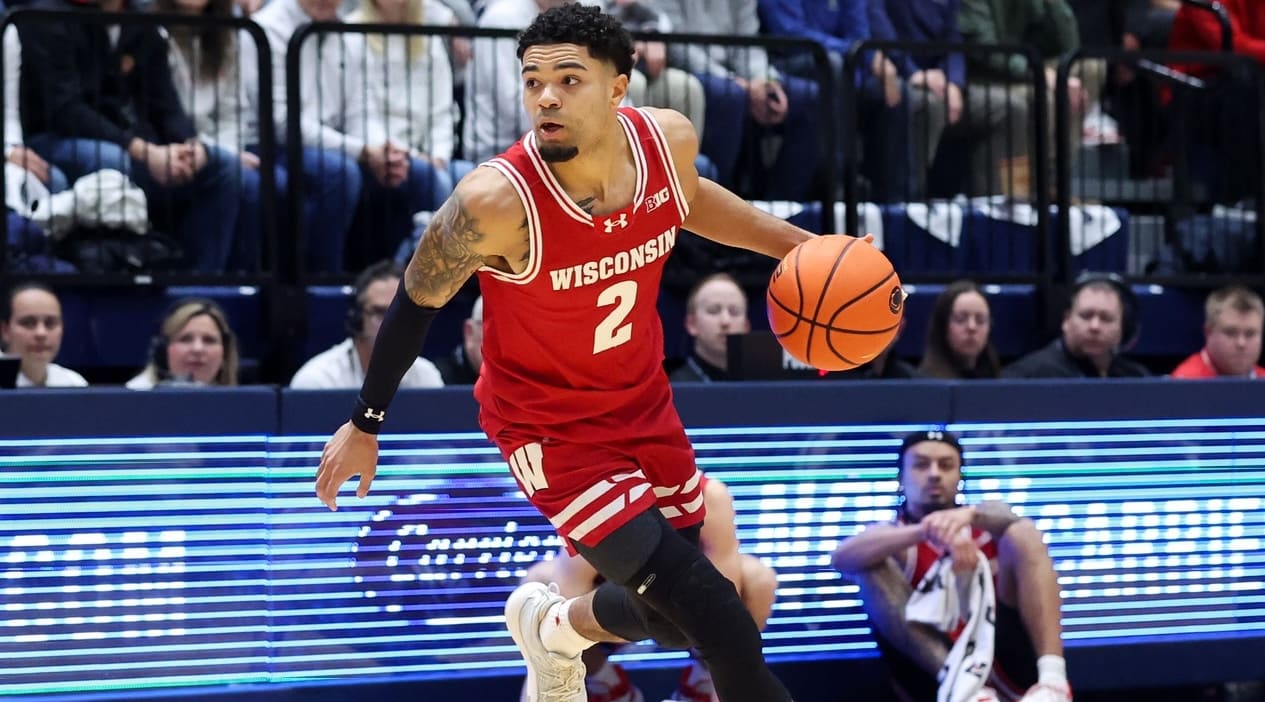
The Badgers are a strange case of Jekyll & Hyde, with some of the best wins in the country, on the road against Michigan, Illinois and Purdue, but also lopsided losses to Ohio State and Oregon. SDSU transfer Nick Boyd (20.6 ppg, 4.2 apg), who went to a Final Four with FAU, mans the point for this top-20 offense (per KenPom) that has the nation's third-lowest turnover rate. Wisconsin thrives behind the arc. Even the Badgers' big men shoot the three, as six players have cashed at least 30 three-pointers, led by guard John Blackwell (19.0 ppg, 4.9 rpg) at 38.4 percent (on 242 attempts). Nolan Winter (13.3 ppg, 8.6 rpg), a 7-foot junior who has 12 double-doubles, missed the last four games with an ankle injury but is expected to be ready for the tournament. The Badgers need him healthy and need the outside shooting to stay hot if coach Greg Gard's squad is to get to the second weekend for the first time since 2017.
 Wright State Raiders (23-11)
Wright State is back in the NCAA Tournament for the first time since 2022 and fifth time in program history after winning the Horizon League tournament as the top seed. The Raiders are led by freshman Michael Cooper (13.4 ppg), who shoots 36.4 percent from three-point range, sophomore point guard TJ Burch (12.3 ppg, 3.5 apg, 2.5 spg), who averaged 19 points in the conference tourney, and 6-9 Kellen Pickett (8.7 ppg, 5.4 rpg), the Horizon League Freshman of the Year. A good shooting team, Wright State is top 60 nationally in effective field-goal percentage (per KenPom), draining 36.1 percent from the perimeter (51st). The Raiders are without a Quad 1 or 2 win, but they played 31-1 Miami (OH) to within seven points at home. The program's only tournament win came in a 2022 play-in game, but there's nothing to suggest it's any closer to a first-round win.
Check out how injuries are affecting the status of other teams in the NCAA Tournament on RotoWire's college basketball injury report.
| Team Name | Preview |
|---|---|
| Akron Zips (29-5) | Akron finished the year on a 19-1 run to win the MAC tournament title and automatic bid. The Zips don't have a Quad 1 win, playing Purdue within 20, and losing tighter games to Yale, Miami (OH) and Troy, which resulted in a 54 NET ranking. Coach John Groce's team does a lot well, however, primarily on offense. The Zips rank top-15 in both two- and three-point field-goal percentage, with four players averaging double figures, led by senior point guard Tavari Johnson (20.1 ppg, 5.0 apg). Johnson, Shammah Scott (12.7 ppg) and Bowen Hardman (7.9 ppg) each have made 75-plus treys for a top-10 team nationally in three-pointers made per game. Down low, 6-9 senior Amani Lyles (14.6 ppg, 8.0 rpg) takes care of business, but he's the tallest rotational player by three inches, as Akron ranks 350th in average height. That leads to struggles with defensive rebounding (152nd) and perimeter defense (253rd). Akron needs a favorable matchup to pull off an upset. |
| Alabama Crimson Tide (23-9) | Alabama enters the NCAA Tournament as one of the most fun teams to watch. The Crimson Tide play at a fast pace, fourth in KenPom's adjusted tempo, and attempt more three-pointers per game than any team in the nation. Three players have cashed at least 65 threes, led by potential NBA lottery pick Labaron Philon (21.7 ppg, 4.7 apg), who shoots 40.2 percent from deep as a top-20 scorer nationally. Junior point guard Aden Holloway (16.8 ppg) hits a team-high 43.8 percent from distance, with three other mainstays averaging double figures. The result is the nation's third-most efficient offense, per KenPom. Defense falls behind, ranking 67th, but, most important, the Tide are battle tested. Alabama is No. 1 nationally in just about every strength of schedule metric and is 7-7 in Quad 1 with only two losses outside the top quadrant, though one was to 15 seed Ole Miss in the SEC tourney quarterfinals. Still, don't count out Nate Oats and company as Final Four candidates. |
| Arizona Wildcats (32-2) | Coming off its first Big 12 regular-season and tournament titles, Arizona is in the midst of its best season since coach Tommy Lloyd's 33-win debut in 2021-22. In the paint, 7-2 Motiejus Krivas (10.5 ppg, 8.1 rpg), Ivan Kharchenkov (10.1 ppg, 4.1 rpg) and Tobe Awaka (9.4 ppg, 9.5 rpg) attack and defend the basket relentlessly, earning the team top-5 rankings in both offensive and defensive efficiency, per KenPom. Big 12 Player of the Year Jaden Bradley (13.3 ppg, 4.5 apg) gives the Wildcats senior experience at point guard, but the X-factor is NBA-caliber freshmen Brayden Burries (15.9 ppg) and Koa Peat (13.6 ppg). Peat missed three games in late February but is healthy entering the tournament. Burries, who has 13 20-point games, is the only consistent three-point shooter at 36.7 percent on 142 attempts. Perhaps the only concern for the West's No. 1 seed is recent history -- Lloyd has yet to take the Wildcats past the Sweet 16 despite strong teams. |
| Arkansas Razorbacks (25-8) | In his second year at Arkansas, John Calipari has his second NCAA Tournament berth, looking to get to the second weekend after doing so as a 10 seed in 2025. SEC Player of the Year Darius Acuff (22.9 ppg, 6.5 apg), a sure-fire NBA lottery pick, plays beyond his years, leading the team in scoring after taking over point guard early this season and shooting a team-high 44.5 percent on three-pointers. The Razorbacks rank eighth in the nation in three-point shooting (38.9 percent) and boast the nation's lowest offensive turnover rate, committing the fourth-fewest turnovers per game among tournament teams. Fellow freshman Meleek Thomas (15.3 ppg), who shoots 42.1 percent from deep, can take over games as well for the nation's sixth-best offense (per KenPom). Three seniors rotate in the frontcourt, led by 6-10 Trevon Brazile (13.2 ppg, 7.4 rpg). Arkansas has not lost consecutive games this season, and played Duke and Houston to within single digits. The Razorbacks have the firepower to make a run. |
| BYU Cougars (23-11) | BYU's story starts and ends with freshman phenom AJ Dybantsa (25.3 ppg, 6.7 rpg, 3.8 apg), a Wooden Award contender who leads the nation in scoring, including a conference-record 93 points in three Big 12 tournament games. The 6-9 forward, who topped 20 points in 27 games this season, could cement himself as the No. 1 pick in the NBA Draft if BYU makes the Sweet Sixteen. They'll have to do it without 6-5 senior Richie Saunders (18.0 ppg, 5.8 rpg), who tore an ACL in February. That -- and a tough Big 12 schedule -- is partly why BYU finished the year on a 7-10 skid after a 16-1 start that included Quad 1 wins over tournament teams Villanova, Wisconsin, Miami and Clemson. The Cougars win with offense, ranking 10th nationally in efficiency, per KenPom. Defense is a bit behind (57th), as they allow opponents to shoot 35.3 percent (264th) from the perimeter. That might not matter, though, if Dybantsa continues to light up opponents. |
| California Baptist Lancers (25-8) | The Lancers are in the NCAA Tournament for the first time in program history thanks to WAC Player of the Year Dominique Daniels, who hit three three-pointers in the final two minutes to win the conference tournament title as the two seed. A bonafide star, Daniels is fifth in the nation in scoring at 23.2 points per game, topping 20 points in 23 games this season. Daniels is essentially the entire offense. The team ranks 302nd in effective field-goal percentage and 191st in efficiency, per KenPom. Defense is much tougher, as the Lancers are top 50 in efficiency while holding opponents to 29.7 percent shooting from three-point range, sixth in the nation. Cal Baptist has Quad 2 wins against UC Irvine and Utah Valley and no Quad 4 losses, but it lost by 31 points to BYU in its only Quad 1 game. That's the caliber of opponent the Lancers will face in the first round against No. 4-seed Kansas. |
| Central Florida Knights (21-11) | UCF started the season 12-1 with a Quad 1 victory over Kansas in the Big 12 opener but struggled late, losing six of its final nine regular-season games and falling to Arizona by 22 points in the conference tourney quarterfinals. The metrics (51 NET, 54 KenPom) ultimately kept UCF on the right side of the bubble, sending the Knights dancing for the first time since 2019. Milwaukee transfer Themus Fulks (14.0 ppg, 6.7 apg) drives the bus, as the senior point guard set the school single-season assist record. Riley Kugel (14.4 ppg) shoots 39.2 percent from three-point range, while 6-8 senior Jamichael Stillwell (11.7 ppg, 8.0 rpg) is a steady double-double threat (eight this season). The Knights have good size in the rotation, including 7-2 John Bol (6.0 ppg, 5.5 rpg, 1.1 bpg), and rank top 30 in KenPom's average height metric. That helps on the glass where they rank 62nd in offensive rebounding rate and 101st on defense. But the late-season struggles make it hard to feel good about UCF. |
| Clemson Tigers (24-10) | After last year's opening-round upset loss to McNeese, coach Brad Brownell re-tooled his roster entirely. He found his top-5 scorers via the portal, led by 6-8 Georgia transfer RJ Godfrey (11.9 ppg, 5.3 rpg), and built a deep rotation. A key piece was lost in the ACC tournament, however, as 6-10 center Carter Welling (10.2 ppg, 5.4 rpg) tore an ACL. Clemson's top-20 defensive rebounding rate is bound to take a hit without the team's leading rebounder. The Tigers are 20th in defensive efficiency, per KenPom, but aren't as dynamic offensively, lacking a standout perimeter shooter, ranking 169th nationally in three-point percentage (34.1). Clemson is 6-6 in Quad 1 with signature wins over Louisville and North Carolina, as well as two double-digit losses to top-seeded Duke, and took care of business against lesser competition, going 11-0 in Quads 3 and 4. But the Tigers' ceiling beyond the first round depends on how they overcome their missing big man. |
| Connecticut Huskies (29-5) | Looking for his third national championship in four years, coach Dan Hurley has a wealth of experience to lean on, as the Huskies enter the NCAA Tournament as a No. 2 seed. Junior guards Solo Ball (13.5 ppg) and Silas Demary (10.9 ppg, 6.2 apg) man the backcourt, while 6-8 senior Alex Karaban (12.6 ppg, 5.2 rpg) and 6-11 senior Tarris Reed (13.7 ppg, 8.1 rpg) patrol the paint, though the former is plenty capable of stepping outside, hitting 38.6 percent of his three-pointers. UConn's efficiency numbers (30th in offense, 11th in defense, per KenPom) might be low for a two seed, but a down year in the Big East bears some blame, and the Huskies had big wins against Illinois and Florida, showing they can play with anyone. While their seven Quad 1 wins is fewer than expected for a high seed, their KenPom and Net ratings are on par with the team that cut down the nets in 2023. Don't sleep on another run. |
| Duke Blue Devils (32-2) | For the second consecutive year, advanced metrics place the Blue Devils among the best teams of this era. Not only does Duke sit atop KenPom's ratings, but the team leads the nation in the NET and is No. 2 in wins above bubble (WAB). The Blue Devils are one of two teams (Arizona) to rank top 5 in both offensive (4th) and defensive (2nd) efficiency, per KenPom, led on both ends by future NBA lottery pick Cameron Boozer (22.5 ppg, 10.2 rpg, 4.2 apg), a 6-9 freshman who shoots 40.9 percent from distance. Isaiah Evans (14.9 ppg) adds 36.5 percent three-point shooting on 252 attempts. The knock on this team is inexperience, as the eight-man rotation features six underclassmen. That hasn't stopped it thus far -- Duke's 17 Quad 1 wins lead the nation. What might stop it is injuries, as 6-11 Patrick Ngongba (10.7 pg, 6.0 rpg, 1.1 bpg) and guard Caleb Foster (8.5 ppg) missed the ACC tournament. Ngongba hopes to play the opening weekend, but Foster won't return until the Final Four, if the No. 1 overall seed makes it that far. |
| Florida Gators (26-7) | The reigning champions lost early to eventual No. 1 seeds Arizona and Duke but bounced back in the SEC to earn a No. 1 seed of their own, despite getting blown out in the conference tournament semifinals. Florida has perhaps the nation's best frontcourt, with 6-9 Thomas Haugh (17.1 ppg, 6.2 rpg), 6-11 Alex Condon (15.0 ppg, 7.7 rpg) and 6-10 Rueben Chinyelu (11.2 ppg, 11.5 rpg) returning from the title team. The Gators rank second nationally in offensive rebounding rate and eighth in defensive and are top 25 in both offensive and defensive two-point field-goal percentage. Coach Todd Golden re-stocked the backcourt with transfers Boogie Fland (11.6 ppg, 3.4 apg) and Xaivian Lee (11.5 ppg, 4.1 apg) but neither matches the scoring prowess of last year's star Walter Clayton. Depth is a concern (330th in bench minutes), as is three-point shooting (324th). Part-time starter Urban Klavzar (9.7 ppg) is the only bench player who gets heavy run and the only consistent three-pointer shooter (40.2 percent). Still, Florida's experience and talent make a repeat possible. |
| Furman Paladins (22-12) | Furman is in the NCAA Tournament for the first time since 2023 when it knocked off Virginia as a 13 seed. Only one main contributor, Ben VanderWal (7.3 ppg, 5.5 rpg), is back from that squad, but coach Bob Richey's re-tooled roster rallied to win the SoCon tournament as the sixth seed. Freshman point guard Alex Wilkins (17.7 ppg, 4.7 apg) is the top scorer, but the Paladins' strength is down low where 6-11 twin towers Cooper Bowser (14.0 ppg, 6.0 rpg, 1.1 bpg) and Charles Johnston (9.8 ppg, 9.1 rpg) rule the paint. The big-man duo helps Furman rank 14th nationally in two-point shooting at 59.0 percent. The Paladins have some holes, however. Furman doesn't force many turnovers (bottom 20 nationally), shoots 69.8 percent from the line (276th) and has few quality wins -- all three Quad 1/2 games were losses by an average of more than 16 points. Metrics don't suggest upset, but intangibles, mainly an upperclassmen dominated rotation, put it on the table. |
| Georgia Bulldogs (22-10) | Georgia enters the NCAA Tournament for the second consecutive season in search of its first win in the Big Dance since 2015. The Bulldogs are offense-first, ranking 16th in efficiency (per KenPom) and averaging 89.8 points per game -- fifth most in the nation. Sophomore guard Jeremiah Wilkinson (17.0 ppg) leads four double-digit scorers with 72 three-pointers made, while 6-11 center Somto Cyril (9.6 ppg, 5.6 rpg, 2.3 bpg) earned All-SEC Defensive Team honors thanks to his shot-blocking prowess. Despite Cyril's presence, rebounding is a major weakness, as the Bulldogs rank bottom-30 nationally in defensive rebounding rate. Nevertheless, Georgia's resume is strong, with its 6-7 Quad 1 record showing the Bulldogs can hang with top teams. At 32 on KenPom and 33 in the NET, the metrics like Georgia far better than its No. 8 seed suggests. |
| Gonzaga Bulldogs (30-3) | Gonzaga enters this year's tournament ranked sixth in the NET and 10th by KenPom, with a resume built on non-conference wins against tournament teams Alabama, Kentucky and UCLA. The Zags have faced their share of adversity this season. Injuries, eligibility issues and a point-guard timeshare has led to coach Mark Few using 13 starting lineups. No injury was more impactful than that to 6-10 forward Braden Huff (17.8 ppg, 5.6 rpg), who hasn't played since hurting his knee in early January and is doubtful to return for the first weekend of the tournament. Gonzaga still has WCC Player of the Year Graham Ike (19.7 ppg, 8.2 rpg) to anchor the paint, though. The 6-9 senior posted a career high in scoring and a three-year high in rebounding in his fifth collegiate season, leading a defense that is 10th in efficiency, per KenPom, and 19th in rebounding rate. Gonzaga is 30-3, but a Quad 3 loss -- the only team in the NET top 20 with one -- and a 40-point loss to No. 1 seed Michigan show the Zags could be susceptible to a letdown, especially without Huff. |
| Hawaii Rainbow Warriors (24-8) | Hawaii ended its final Big West season by winning the conference tournament and snapping an NCAA Tournament drought of nearly a decade. The Rainbow Warriors win with a unique 'no-help' defense, designed to force contested shots. It ranks 16th nationally in opponent effective field-goal percentage and 10th in rebounding rate to place 42nd in efficiency, per KenPom. Utah State transfer and 7-foot senior Isaac Johnson (14.1 ppg, 5.8 rpg, 1.1 bpg) has made all the difference in the interior, but 6-9 Harry Rouhliadeff (10.8 ppg, 5.0 rpg) and 6-8 Gytis Nemeiksa (9.3 ppg, 4.9 rpg) also provide a boost inside. Hawaii's problem is turnovers, as the team has a negative turnover margin and ranks 317th in offensive turnover rate. Outside shooting is a weakness too, with only point guard Hunter Erickson (8.5 ppg, 3.8 apg) making at least 40 threes and the team shooting 31.6 percent from distance (300th). Without a Quad 1 or 2 win and two Quad 4 losses, Hawaii likely doesn't have the firepower for an upset. |
| High Point Panthers (30-4) | With 30 wins and a 76 NET ranking, High Point seemingly boasts one of the better mid-major resumes entering the Big Dance. Strength of schedule, though, tarnishes the shine a bit. The Panthers played only two games in the top-2 quadrants (both losses) and are 342rd (of 365 teams) in KenPom's SOS metric. Nevertheless, High Point excels at using tempo and defense to create offense, ranking top 50 in KenPom's adjusted pace with the fifth-best defensive turnover rate in the nation. That leads to easy buckets -- the Panthers are top 50 in effective FG percentage, with most scoring coming from seniors Terry Anderson (16.0 ppg, 6.0 rpg) and Rob Martin (15.3 ppg). Senior Chase Johnston (6.1 ppg) is the best three-point shooter at 48.5 percent. The Panthers are riding the nation's longest active winning streak (14) into the tournament, but their first-round matchup vs. Wisconsin will be their toughest of the season, by a mile. |
| Hofstra Pride (24-10) | Hofstra broke a 25-year NCAA Tournament drought by winning the CAA Tournament as the three seed, and the Pride might not be done yet. With a pair of Quad 2 wins and both KenPom and NET rankings in the top 100, Hofstra is a mid-major that poses danger. CAA Player of the Year Cruz Davis (20.2 ppg, 4.6 apg) is a superstar and freshman point guard Preston Edmead (15.9 ppg, 4.4 apg) was named CAA Rookie of the Year. Both have cashed 80-plus treys on at least 38 percent shooting, as the Pride rank 30th nationally in three-point percentage (36.8). Defensively, Hofstra is top 5 in opponent two-point percentage, anchored by 7-foot senior Silas Sunday (5.2 ppg, 6.9 rpg, 1.1 bpg), who helps the frontcourt force bad shots away from the basket -- Hofstra is fifth in KenPom's average two-point attempt distance metric. Winners of 11 of 12 entering the Big Dance, Hofstra has momentum, experience, defense and star power all in its corner. |
| Houston Cougars (28-6) | After falling in the national championship a year ago, coach Kelvin Sampson re-tooled his roster and is in prime shape for another deep tournament run. Sampson supplemented key returners Emanuel Sharp (15.3 ppg, 2.6 3PM), Milos Uzan (11.1 ppg, 4.0 apg) and Joseph Tugler (8.4 ppg, 5.4 rpg) with one of his best recruiting classes. A five-star recruit, 6-11 Chris Cenac (9.5 ppg, 7.5 rpg) complements (and sometimes overshadows) Tugler down low, but the standout is leading-scorer and future NBA first-rounder Kingston Flemings (16.4 ppg, 5.3 apg), the primary point guard and go-to shooter late in games who drains 39.2 percent from distance. As usual, though, Houston wins with defense. The Cougars allow the fewest points per game among tournament teams, rank fifth nationally in KenPom's defensive efficiency rating and sport a top-15 defensive turnover rate. All five of Houston's losses this season came against top-20 teams in the NET, but the Cougars won't face that caliber until at least the second weekend. |
| Howard Bison (23-10) | Howard is in the NCAA Tournament for the third time in four seasons after winning the MEAC regular-season and tournament titles. The Bison are just outside the top 200 in the NET ratings, but they at least challenged themselves in non-conference play, traveling to Duke (a 37-point loss) and winning a Quad 2 matchup against UNC-Wilmington. Otherwise, 22 of their 32 games came in Quad 4, where they have six losses. The key is 6-7 junior Cedric Taylor (17.1 ppg, 6.7 rpg), who missed the first 11 games but provided an immediate boost upon returning. He joins Bryce Harris (17.1 ppg, 6.9 rpg) and two other double-digit scorers for an offense that ranks 283rd in KenPom's efficiency metric. The Bison hurt themselves with a bottom-25 offensive turnover rate, though they partially make up for it on defense with top-20 marks in turnover rate and opponent three-point shooting. Howard can win the 16-seed play-in game with that scheme, but that's probably it. |
| Idaho Vandals (21-14) | It has already been a Cinderella story for Idaho, which won four games in five days as the seven seed in the Big Sky tournament to clinch its first NCAA Tournament berth since 1990. A deep rotation features six players with 90-plus three-point attempts, led by senior Isaiah Brickner (12.1 ppg, 3.9 rpg), who gave the Vandals a 23-point double-double in the conference title game. Brickner shoots 42.2 percent from the perimeter, as the Vandals convert 34.5 percent from deep (148th). A 6-7 freshman, Jackson Rasmussen (13.9 ppg, 4.7 rpg) leads three others in double figures. Defensively, Idaho pounds the glass, ranking fifth nationally in defensive rebounding rate. But the Vandals haven't been tested much. They haven't even played a Quad 1 opponent and are 0-3 vs. Quad 2. That at least sets the stage for what would be a monumental upset in the opening round vs. No. 2-seed Houston. |
| Illinois Fighting Illini (24-8) | Illinois has the nation's most efficient offense, with scorers at every position, dominant offensive rebounding (3rd) and excellent free-throw shooting (6th). The Illini are also healthy after midseason injuries to 6-7 junior Andrej Stojakovic (13.4 ppg, 4.6 rpg) and senior guard Kylan Boswell (13.2 ppg, 3.3 apg). Their absences allowed 6-6 freshman and leading-scorer Keaton Wagler (17.9 ppg, 4.8 rpg, 4.4 apg) to blossom into an NBA lottery pick. Wagler shoots 40.2 percent from deep, while stretch forwards David Mirkovic (13.4 ppg, 7.8 rpg) and Ben Humrichous (6.1 ppg, 4.1 rpg) can step out and hit the three as well. Manning the frontcourt are twin towers (pun intended) in 7-1 Tomislav Ivisic (10.0 ppg, 5.5 rpg) and 7-2 Zvonimir Ivisic (7.0 ppg, 4.8 rpg, 2.1 bpg). Illinois goes eight deep, with every player, sans Boswell, at least 6-6, making it the nation's tallest team in KenPom's average height metric. They're not as strong defensively -- 28th in efficiency, last in turnover rate -- but that might not matter if they drop 85 a night. |
| Iowa Hawkeyes (21-12) | Coach Ben McCollum made the short drive from Drake to Iowa this offseason, bringing senior point guard Bennett Stirtz (20.0 ppg, 4.5 apg) with him, and the result was an NCAA Tournament berth after a two-year drought for the Hawkeyes. Iowa is 31st nationally in both offensive and defensive efficiency, per KenPom. The Hawkeyes shoot it well, ranking 16th in effective field-goal percentage, with Stirtz hitting 37.6 percent from the perimeter and 6-8 Cooper Koch (7.7 ppg) converting 39.4 percent. But they struggle to defend shots -- 252nd in opponent effective field-goal percentage. A slow pace (8th-slowest in adjusted tempo, per KenPom) masks some of that deficiency and keeps games close, as does a penchant for turnovers (top 15 in defensive turnover rate). But the Hawkeyes are 4-9 in Quad 1, with every win in the Big Ten and only one of those against a top-6 conference team (Nebraska). They also have two Quad 3 losses. Iowa likely will go as far as Stirtz takes it. |
| Iowa State Cyclones (27-7) | Iowa State started a program-best 16-0 before dropping six games in the tough Big 12, with five losses on the road. The Cyclones have plenty of returning contributors, ranking 11th in KenPom's experience metric, which partly explains their No. 4 ranking in defensive efficiency. Turnovers are a bigger factor in their defensive success -- ISU has the nation's fourth-highest defensive turnover rate. Offensively, the Cyclones thrive off the nation's best three-point shooter in 6-8 junior Milan Momcilovic (17.1 ppg), who hits 49.6 percent from deep. Freshman Jamarion Batemon chips in with 38.9 percent from perimeter, hitting 51 threes in only 15.3 minutes per game. Seniors Joshua Jefferson (16.9 ppg, 7.6 rpg) and Tamin Lipsey (13.3 ppg, 5.0 apg) bring plenty of postseason experience. The Cyclones struggle at the foul line, ranking 340th (67.2 percent), which could haunt them in tight tournament games. |
| Kansas Jayhawks (23-10) | The key storyline for Kansas has, for better or worse, revolved around freshman, leading scorer and potential No. 1 NBA Draft pick Darryn Peterson (19.8 ppg). The 6-6 guard missed 11 games to hamstring and ankle injuries and other undisclosed issues, eliciting not-so-subtle allegations of self-imposed minutes restrictions. The Jayhawks can function without him -- their best win came sans Peterson against No. 1 Arizona -- largely thanks to Illinois transfer Tre White (13.8 ppg, 6.7 rpg), floor general Melvin Council (12.9 ppg, 5.1 apg) and 6-10 breakout center Flory Bidunga (13.5 ppg, 9.2 rpg). The offense is just 57th in efficiency (per KenPom) but defense makes up for it with a top-10 ranking. KU is fourth in effective field-goal percentage allowed and sixth in block rate, paced by Bidunga's 2.6 rejections per game. The resume includes nine Quad 1 wins, including against Tennessee and NC State, but Kansas stumbled down the stretch, losing five of its last nine. |
| Kennesaw State Owls (21-13) | Few expected Kennesaw State in the Big Dance, not only because the Owls went 10-10 in CUSA to enter the conference tournament as the six seed, but because they lost their best player and 20-point scorer Simeon Cottle in mid-January thanks to a point-shaving scandal. Without Cottle, the offense predictably suffered, falling to 144th in efficiency, per KenPom. Sophomore point guard and first-team All-conference selection RJ Johnson (14.5 ppg, 4.0 apg) helped pick up the slack, shooting 43.3 percent on three-pointers, but the Owls lack firepower. Defense is a bit better, particularly on the interior with 6-9 Braedan Lue (11.1 ppg, 5.4 rpg), 6-7 Frankquon Sherman (10.3 ppg, 8.4 rpg) and 6-8 Trey Simpson (9.2 ppg, 4.9 rpg), as the Owls are top 30 in opponent two-point percentage and top 15 in block rate. But without a Quad 1 or 2 win (though they played Alabama within 11) and four Quad 4 losses, the magic likely ends soon. |
| Kentucky Wildcats (21-13) | Coach Mark Pope has Kentucky in the Big Dance for the second consecutive year, though with a lower seed this time. The offense's strength is guard play, led by seniors Otega Oweh (18.2 ppg, 4.6 rpg) and Denzel Aberdeen (13.2 ppg, 3.6 apg). Sophomore guard Collin Chandler (9.9 ppg) is the best three-point shooter at 42.7 percent. While the team has length (top 20 in average height), it doesn't help much on the defensive glass, as Kentucky is 163rd nationally in rebound rate. Four-star, 7-foot freshman Malachi Moreno (8.0 ppg, 6.4 rpg, 1.6 bpg) took on more minutes with prized transfer Jayden Quaintance, a 6-10 sophomore, limited to four games with a knee injury. Quaintance last played Jan. 7 but is hopeful for the tournament. The Wildcats are top 40 in both offensive and defensive efficiency (per KenPom), but the ceiling appears limited. Kentucky is winless vs. the NET top 12, and that's the caliber of competition it will need to beat to get to the second weekend. |
| Lehigh Mountain Hawks (18-16) | The last time the Mountain Hawks were in the NCAA Tournament in 2012 they famously upset Duke as a 15 seed. This year, Lehigh fans even chanted 'We want Duke' in the closing moments of the Patriot League tournament final. They won't get Duke this year, but if they survive the 16-seed play-in game in the South, No. 1 Florida awaits. Lehigh is one of the lowest-ranked teams in the field with a NET rating of 275 and landing outside the top 250 nationally in both offensive and defensive efficiency, per KenPom. They're also notably poor on the offensive glass, with a bottom-15 rebounding rate, as 6-9 center Hank Alvey (15.0 ppg, 6.9 rpg, 1.8 bpg) is the only rotation player taller than 6-8. On the bright side, junior point guard Nasir Whitlock (21.0 ppg) is a star, hitting 44.5 percent from the perimeter for a team that ranks 38th nationally in three-point percentage (36.5). Despite that possible equalizer, chances are thin that Lehigh repeats its upset history. |
| LIU-Brooklyn Sharks (24-10) | Long Island earned the first NCAA Tournament berth of 2026, clinching the NEC's automatic bid even before the conference tournament title game because runner-up Mercyhurst was ineligible. The NEC regular-season champs, LIU is coached by former NBA star Rod Strickland, who fields four double-digit scorers led by senior wing Jamal Fuller (16.4 ppg, 5.5 rpg), a 43.8 percent three-point shooter. Turnovers are a problem, however. The Sharks are bottom 50 nationally in both turnovers per game and offensive turnover rate. They also struggle from foul line, shooting 66.8 percent -- 344th in the nation. LIU is 198 in the NET and 0-2 in both Quads 1 and 2, notably losing to Illinois by 40 in non-conference play. The Sharks' reward is No. 1 Arizona in the West Region. |
| Louisville Cardinals (23-10) | The Pat Kelsey rebuild took another step this season, as a tougher non-conference schedule and eight Quad 1 wins vaulted Louisville to a six seed in the NCAA Tournament, its highest in nearly a decade. The Cardinals rank 20th nationally in offensive efficiency (per KenPom) thanks to skilled shooting. A deep bench of three-point marksmen has attempted the fourth-most threes in the nation (32.3 per game), hitting 35.7 percent (76th). They're even better inside the arc, converting 59.7 percent (9th). Xavier transfer Ryan Conwell (18.7 ppg, 4.8 rpg) has knocked down more than 100 three-pointers at 34.2 percent to lead a rotation that runs nine deep and forming one of the nation's best backcourts with future NBA first-rounder Mikel Brown (18.2 ppg, 4.7 apg). Brown, though, is uncertain for Louisville's tournament opener with a back injury. He missed eight games earlier this season and then sat out the last four games after the injury popped up again. His health is paramount for the Cardinals to reach their ceiling. |
| Maryland-Baltimore County Retrievers (24-8) | The last time the Retrievers were in the Big Dance in 2018 they became the first 16 seed to knock off a one seed in NCAA Tournament history. Eight years later, UMBC is riding the nation's second-longest active winning streak (12) in search of another historic upset, punching its ticket on the back of America East regular-season and tournament titles. All-conference selection Jah'Likai King (13.9 ppg, 3.4 rpg) is the leading scorer while conference tournament MVP DJ Armstrong (13.2 ppg) shoots a team-leading 42.0 percent from three-point range. Point guard Ace Valentine (12.0 ppg, 4.1 rpg, 4.0 apg) adds 37.6 percent long-distance shooting. UMBC ranks in the top-third nationally in every major shooting percentage category, plus it rebounds well, with the 15th-highest defensive rebounding rate. The problem? UMBC hasn't played anybody. The Retrievers have no wins outside Quad 4, and KenPom ranks them last in the nation in strength of schedule -- 365th. That doesn't bode well for history repeating, even if UMBC survives the Midwest's 16-seed play-in game. |
| McNeese State Cowboys (28-5) | New coach Bill Armstrong picked up where former coach Will Wade left off and has the Cowboys in the NCAA Tournament for the third consecutive year. Seniors Javohn Garcia (12.0 ppg) and DJ Richards (8.3 ppg) return from the 2025 squad that upset Clemson as a 12 seed, but the difference-makers in 2026 come from Armstrong recruits in freshmen Larry Johnson (17.5 ppg, 5.5 rpg) and Tyshawn Archie (14.3 ppg, 2.9 apg). The Cowboys excel at creating turnovers, ranking first nationally in defensive turnover rate and fourth in block rate. They need all the turnovers they can get because they struggle on the defensive glass, ranking bottom 30 in rebound rate. McNeese doesn't shoot the three well either, though Archie, Garcia and Richards each convert higher than 35 percent. The formula helped McNeese win a pair of Quad 2 games (George Washington, SFA) and go 24-1 in Quads 3 and 4. Ranked 56 in the NET and 68 by KenPom, the Cowboys likely will be a trendy upset pick once again. |
| Miami Hurricanes (25-8) | After hitting rock bottom at 7-24 a season ago, Miami hired first-time head coach Jai Lucas, who instantly brought the Hurricanes back to relevance. One of the nation's best recruiters, Lucas hit the portal to find leading-scorers Malik Reneau (18.8 ppg, 6.6 rpg) and Tre Donaldson (16.5 ppg, 5.8 rpg) from Indiana and Michigan, respectively. He also added four-star freshmen Shelton Henderson (13.7 ppg, 4.8 rpg) and Dante Allen (6.4 ppg), who both earned starting spots. The result is top-40 rankings in both offensive and defensive efficiency, per KenPom. The Canes are excellent rebounders, top 25 nationally at both ends, and are 29th in effective field-goal percentage, even though they aren't great from distance (34.7 percent). They also are weak at the foul line, converting 68.5 percent (311th), and struggle to defend the perimeter, as opponents hit 35.4 percent on three-pointers (274th). But with six Quad 1 wins (and zero bad losses), Lucas has more than just 'making the tournament' in his sights. |
| Miami (OH) RedHawks (31-1) | Miami (OH) is the most polarizing team in the tournament. The RedHawks finished the regular season 31-0 only to be one-and-done in the MAC tournament. That only fueled critics, as Miami has zero Quad 1 wins, ranks 269th in KenPom's strength of schedule metric and has a 64 NET rating. Nevertheless, the RedHawks are dancing, thanks largely to marksmen shooters. Miami is sixth nationally in effective field-goal percentage (59.2), ranking second in two-point percentage (61.5) and 22nd in three-point percentage (37.5). Six players average double figures, led by guards Peter Suder (14.6 ppg, 4.6 rpg, 4.0 apg) and Brant Byers (14.2 ppg, 4.1 rpg), both of whom top 39.5 percent from the perimeter. Point guard Luke Skaljac (10.3 ppg, 4.7 apg) took over for the injured Evan Ipsaro, helping Miami rank top 50 in adjusted tempo (per KenPom), and 6-9 senior Antwone Woolfolk (10.3 ppg, 5.5 rpg) patrols the paint. Miami's performance could be a referendum on how the committee judges future mid-majors. That's a lot of pressure for a team looking to rebound from its first loss. |
| Michigan Wolverines (31-2) | After leading Michigan to the Sweet 16 as a five seed in his first year last season, coach Dusty May has the Wolverines as the Midwest's No. 1 seed this year. Michigan's strength is down low, with 6-9 Yaxel Lendeborg (14.6 ppg, 7.0 rpg), 6-9 Morez Johnson (13.1 ppg, 7.2 rpg) and 7-3 Aday Mara (11.6 ppg, 6.9 rpg, 2.6 bpg), all of whom can take over games. The interior dominance leads to easy baskets for the offense and prevents easy baskets for opponents. Michigan is third nationally in both two-point percentage and opponent two-point percentage, forcing longer shots on two-pointers than all but one team in the country (per KenPom). The result is the nation's top defense in both effective field-goal percentage and efficiency. Michigan lost backup point guard L.J. Cason (8.4 ppg) to an ACL tear in February, which means starter Elliot Cadeau (10.2 ppg, 5.6 apg), a 37.3 percent three-point shooter, has an even greater load. His play could dictate Michigan's ultimate tournament ceiling. |
| Michigan State Spartans (25-7) | Tom Izzo has the Spartans in the Big Dance for an incredible 27th consecutive season, the nation's longest active streak. Michigan State is defined by defense, which ranks 13th nationally in efficiency (per KenPom) and No. 1 in rebounding rate. Offensively, point guard Jeremy Fears (15.7 ppg, 9.2 apg) leads the nation in assists per game and has posted 10 double-doubles. Senior Jaxon Kohler (12.7 ppg, 9.1 rpg), who has spent his entire career at MSU, enjoyed a breakout year, shooting 39.4 percent from three-point range. The X-factor is Coen Carr (11.6 ppg), who is inconsistent but always puts on a show as the most prolific dunker in college hoops. The Spartans lost their regular-season finale (to Michigan) before getting upset in their Big Ten tourney opener by UCLA. But they were tested all year with a tough schedule and came out with the sixth-highest wins above bubble ranking, boosted by nine Quad 1 victories. Another Elite Eight run, and perhaps beyond, is possible. |
| Missouri Tigers (20-12) | The Tigers had to sweat out Selection Sunday after losing five of their last eight, including one-and-done in the SEC tournament, but ultimately made the Big Dance for the third time in four seasons. Senior 6-9 forward Mark Mitchell (18.3 ppg, 5.3 rpg, 3.6 apg) is the key, leading the Tigers in points, rebounds and assists. Along with 6-10 Trent Pierce (10.6 ppg, 3.8 rpg) and 7-foot Shawn Phillips (7.7 ppg, 5.1 rpg, 1.5 bpg), the Tigers rank third nationally in average height (per KenPom). But while Missouri is strong on the interior, it struggles to close out the perimeter, ranking 330th in opponent three-point shooting (36.5 percent). Offensively, the Tigers are adept from all areas, with an effective field-goal percentage that ranks 34th and three players who shoot at least 38 percent from deep. The foul line (309th) gives them trouble, however. Missouri has five Quad 1 wins, all in SEC play, and no bad losses. |
| Nebraska Cornhuskers (26-6) | In his seventh season, coach Fred Hoiberg finally gave Nebraska fans something to get excited about when the Cornhuskers started a program-best 20-0. They lost five Big Ten games, but all came in Quad 1, so there's plenty of hope for the first NCAA Tournament win in program history. The difference this year is defense, as Nebraska ranks seventh nationally in efficiency, per KenPom. While the Huskers hold their own on the defensive glass (56th), they rank 314th in offensive rebound rate, barely posting a positive rebounding differential. Nebraska makes up for it with skilled shooting. The Huskers are 20th nationally in two-point field-goal percentage, and outside the arc, they launch nearly 30 three-pointers per game (14th), making 35.3 percent. Junior Pryce Sandfort (17.8 ppg, 4.8 rpg) shoots 40.1 percent from deep on 282 attempts (13th most in the nation). The 6-10 Rienk Mast (13.6 ppg, 5.9 rpg) controls the paint. These two will dictate whether Nebraska sheds its label as the only Power Conference team to never win a tournament game. |
| North Carolina Tar Heels (24-8) | North Carolina enters the NCAA Tournament with six Quad 1 wins, no bad losses and a 24 NET rating, but the team that built that resume is without its best player. A future NBA lottery pick, 6-10 Caleb Wilson (19.8 ppg, 9.4 rpg) broke his thumb in mid-February, leaving a major void on both ends. The Tar Heels haven't collapsed -- 5-3 sans Wilson, though one-and-done in the ACC tourney -- as 7-foot junior Henri Veesaar (16.7 ppg, 8.7 rpg) and senior guard Seth Trimble (14.0 ppg) picked up the pace, while 6-10 Alabama transfer Jarin Stevenson increased his averages to 10.4 points and 6.6 rebounds since replacing Wilson in the lineup. UNC is sixth in KenPom's height metric, which makes them tough on two-point shooting (top 15 in the nation). Offensively, they rarely hurt themselves, ranking 23rd in turnover rate. The result is a balanced team that is top 40 in both offensive and defensive efficiency (per KenPom). The ceiling, though, is undoubtedly lower without their prized freshman. |
| North Carolina State Wolfpack (20-13) | After making the Final Four in 2024, NC State missed the Big Dance last year and decided it was time for a coaching change. In came Will Wade from McNeese, who brought point guard Quadir Copeland (13.9 ppg, 6.6 apg) with him, retained 6-5 guard Paul McNeil (13.9 ppg) and used the portal to round out his starting five. The Wolfpack protect the ball with the nation's ninth-lowest turnover rate, but the key is shooting the three. NC State converts 38.8 from distance (9th) with three starters shooting at least 40 percent on 125-plus attempts. Defending the perimeter is a different matter, though, as the team ranks 288th in opponent three-point shooting (35.6 percent). The Wolfpack sputtered down the stretch, losing seven of their last nine, including three losses by at least 29 points. And while they have five Quad 1 wins, they also have a Quad 4 loss, which means their fate likely rests on which team shows up in the West's 11-seed play-in game. |
| North Dakota State Bison (27-7) | After winning the Summit League regular-season and tournament titles, North Dakota State is dancing for the fifth time since 2009. The Bison are balanced, ranking top 125 in both offensive and defensive efficiency, per KenPom, with six players averaging least nine points per game. NDSU is strong from the perimeter, as leading-scorer Damari Wheeler-Thomas (14.4 ppg) is one of five Bison to shoot at least 36 percent on 100-plus three-point attempts. They're tough on the glass too, ranking top 20 nationally in defensive rebounding rate. That played well against mid-majors, but with no Quad 1 games, an 0-1 Quad 2 record and a No. 282 rating in KenPom's strength of schedule metric, the Bison are untested and against remotely tough competition. They're also undersized, especially in the backcourt, ranking 339th in average height with only two players taller than 6-7. Getting past No. 3-seed Michigan State in the first round will be a monumental challenge. |
| Northern Iowa Panthers (23-12) | The Panthers caught fire at the perfect time, winning four games in as many days to take the MVC automatic bid as the six seed -- the lowest winning seed in league tourney history. But Northern Iowa has more going for it than just a hot streak. Coach Ben Jacobson returned 11 players, giving the Panthers experience and continuity rarely seen in college basketball these days. Led by senior point guard Trey Campbell (13.7 ppg, 3.9 apg), who has 131 career starts for NIU, the Panthers win by controlling pace and defending the perimeter, both of which keep games within reach. Northern Iowa has the nation's third-lowest adjusted tempo mark, per KenPom, and hold opponents to 28.9 percent three-point shooting, third lowest in the nation. Don't sleep on this team giving a higher-seeded team trouble. |
| Ohio State Buckeyes (21-12) | A mid-February bubble team, coach Jake Diebler rallied the Buckeyes to late-season wins against Wisconsin, Purdue and Indiana before downing Iowa in the Big Ten tournament and taking regular-season champ Michigan to the wire. Ohio State played a top-25 schedule and 11 of its 12 losses came in Quad 1, earning its first NCAA Tournament bid since 2022. The school's all-time scoring leader, senior guard Bruce Thornton (20.3 ppg, 5.1 rpg, 3.9 apg) runs the show, shooting 40.0 percent from three-point range. Sophomore John Mobley (15.6 ppg) is slightly better from distance with a conference-leading 41.8 percent. The result is an offense that ranks 17th nationally in efficiency, per KenPom. In the frontcourt, 6-8 Brandon Noel (7.1 ppg, 3.9 rpg) returned for the conference tournament after missing 18 games with a foot injury, bolstering the depth behind 7-0 Christoph Tilly (11.0 ppg, 4.7 rpg). The Buckeyes are healthy and hot, and nobody will be excited to see them in the tournament. |
| Pennsylvania Quakers (17-11) | Under new coach Fran McCaffery, Penn is in the NCAA Tournament for the first time since 2018 after knocking off regular-season champ Yale in OT in the Ivy League tournament championship. The bid-clinching run was made more impressive because the Quakers did it without leading-scorer Ethan Roberts (16.9 ppg, 3.9 rpg), who missed the tournament with a concussion. Roberts is expected to be ready for the Big Dance. The hero was all-conference first-teamer TJ Power (16.8 ppg, 7.9 rpg) -- formerly of Duke and Virginia -- who scored 44 points. Penn lives on the three-point line, shooting 38.7 percent from distance (11th) with three starters, including Roberts and Power, shooting at least 38 percent. Inside the arc is another story, as the Quakers convert only 46.3 percent (344th). They also don't defend the paint particularly well, ranking 298th against two-point shooting. The Quakers at least have momentum, closing the year on a 9-1 run, and if the outside shooting holds, an upset is possible. |
| Prairie View Panthers (18-17) | The Panthers are the most unlikely team in the field of 68. They finished eighth in the SWAC and have the lowest NET rating in the Big Dance -- 300th. Prairie View A&M has already achieved Cinderella status just by winning the conference tournament. Leading a tight, all-senior rotation is All-SWAC first-teamer Dontae Horne (20.2 ppg, 4.5 rpg, 3.1 apg, 1.9 spg). Sixth-man Tai'Reon Joseph (18.2 ppg) gives a boost as the second-leading scorer, but the offense struggles overall, ranking 310th in efficiency (per KenPom) and 315th in effective field-goal percentage. Defensively, A&M forces turnovers at a top-50 rate but is just 232nd in efficiency. The Panthers don't have a win in the top-3 quadrants, plus they have 11 Quad 4 losses -- most in the field. If they survive the play-in game, a rout appears likely vs. No. 1 Florida. |
| Purdue Boilermakers (26-8) | The consensus preseason No. 1, Purdue started 17-1, faltered to fifth in Big Ten play but then rallied to win the conference tournament final, resulting in a surprise two seed in the West. The Boilermakers are first nationally in offensive efficiency, per KenPom, led by a backcourt of four-year starters Braden Smith (14.0 ppg, 9.1 apg) and Fletcher Loyer (13.8 ppg), both of whom drain from deep (36.5, 42.1 percent, respectively). Smith, second in the nation in assists per game, is within one career assist of Bobby Hurley's all-time record. A 6-9 senior, Trey Kaufman-Renn (13.6 ppg, 8.5 rpg) is capable of instant offense, though his scoring has mysteriously dropped from 20.3 points per game last season. Purdue is 36th in defensive efficiency but doesn't force many turnovers (247th) or defend shots well, ranking outside the top 175 vs. both two-pointers and three-pointers. The Boilermakers have 11 Quad 1 wins and no bad losses, but if it's true that defense wins championships, they might not reach their Final Four ceiling. |
| Queens University Royals (21-13) | In its first season of eligibility, Queens University punched its ticket to the Big Dance by winning the ASUN tournament as the three seed. The Royals knocked off regular-season champ Central Arkansas in OT behind 34 points from senior and top three-point shooter Chris Ashby (11.7 ppg, 109 3ptm). Leading-scorer Nasir Mann (13.4 ppg, 5.8 rpg, 2.7 apg), who was named tournament MVP, is one of six Royals averaging double figures, including 6-9 Carson Schwieger, who shoots 41.1 percent from distance (on 219 attempts). Queens has impressive length for a mid-major (top 50 in KenPom's average height metric), which helps it rank top 15 nationally in two-point shooting. The downside is defense. The Royals are 322nd in KenPom's defensive efficiency and outside the top 250 in nearly every defensive rate category. A lack of Quad 1/2 wins landed the Royals in a David vs. Goliath matchup in the opening round vs. Big Ten tournament champ Purdue. |
| Saint Louis Billikens (28-5) | Despite a buzzer-beater loss in the A-10 tournament semifinal, Saint Louis is dancing thanks to Quad 1 wins against Santa Clara and VCU, a 6-3 Quad 2 record and a 19-1 mark in Quads 3 and 4. The star is A-10 Player of the Year Robbie Avila (12.9 ppg, 4.5 rpg, 4.1 apg), dubbed 'Cream Abdul-Jabbar' in 2024 when he had Indiana State in the at-large conversation. Avila leads four in double figures on an offense that is exceptional inside and out. Four players with 100-plus three-point attempts, including Avila, shoot at least 42 percent from deep, as the Billikens are second nationally in perimeter shooting (40.5 percent). They also can work the ball inside to the 6-10 Avila, averaging the shortest distance to the hoop on two-pointers in the nation (per KenPom). Defense stacks up well too -- second in opponent effective field-goal percentage. Dismiss the Billikens as a 'mid-major' at your own peril. |
| Santa Clara Broncos (26-8) | Coach Herb Sendek always keeps the Broncos competitive, but now he has them dancing for the first time since 1996 after knocking off Saint Mary's in the WCC tourney semifinals as the three seed. Ranked 23rd nationally in offensive efficiency (per KenPom), Santa Clara gets plenty of second-chance points thanks to a top-20 offensive rebounding rate. A nose for the ball also creates scoring opportunities as the Broncos are 22nd in defensive turnover rate and 17th in steal percentage. The team boasts three first-team All-WCC performers in sophomore Christian Hammond (15.8 ppg, 1.2 spg), 6-7 senior Elijah Mahi (13.9 ppg, 4.7 rpg, 1.4 spg) and 6-9 freshman Allen Graves (11.6 ppg, 6.5 rpg, 2.0 spg). Hammond shoots 40.0 percent from the perimeter while Graves hits 41.6 percent. Santa Clara's two Quad 1 wins both came against Saint Mary's, but it also posted an impressive 6-1 Quad 2 record with wins over McNeese, Xavier, Nevada and Minnesota. The Broncos should be plenty competitive against middle seeds. |
| Siena Saints (23-11) | Siena finished 4-28 two seasons ago, but coach Gerry McNamara has the Saints in the NCAA Tournament for the first time since 2010 in just his second year at the helm, after winning the MAAC tourney title as the three seed. The Saints slow the pace (319th in tempo), defend the interior (47th in opponent two-point percentage) and don't foul much (24th in opponent FTA/FGA). Sophomore guard Gavin Doty (17.9 ppg, 7.0 rpg) leads an offense that shoots 76.9 percent (35th) at the foul line but struggles from distance, converting 30.4 percent (334th). There's also controversy in the background, with the NCAA recently ruling that seventh-year Antonio Chandler (7.3 ppg, 5.6 rpg in 29 games) is ineligible. All but two of the team's wins this season were in Quad 4, and with a 183 NET ranking, the odds are stacked against the Saints. |
| SMU Mustangs (20-13) | SMU lost five of its last six, but the committee gave this bubble team a break, likely because key contributor B.J. Edwards (12.7 ppg, 5.9 rpg, 4.9 apg) was injured for all five losses. Edwards, who shoots 37.2 percent from three-point range, is expected to return for SMU's tournament opener, re-joining a backcourt of fellow seniors Boopie Miller (19.2 ppg, 6.4 apg) and Jaron Pierre (17.6 ppg, 4.9 rpg) in a rotation that ranks fifth nationally in D-1 experience, per KenPom. Like Edwards, Miller (41.0 percent) and Pierre (37.8 percent) drain from outside, as the Mustangs are top 25 in three-point percentage (37.4) and 26th in offensive efficiency (per KenPom). Despite interior size in 7-2 sophomore Samet Yigitoglu (10.8 ppg, 7.9 rpg) and 6-10 freshman Jaden Toombs (7.8 ppg, 4.3 rpg), the young frontcourt struggles on the defensive glass, ranking 228th in rebounding rate. With four Quad 1 wins, no bad losses and nine of 13 defeats in the top Quad, a healthy SMU is formidable. |
| South Florida Bulls (24-8) | South Florida is in the NCAA Tournament for the first time since 2012 in Arkansas State-transplant Bryan Hodgson's first year as coach, after winning the American regular-season and tournament titles. Hodgson brought with him 6-10 center Izaiyah Nelson (15.7 ppg, 9.6 rpg), who won AAC Player of the Year, Defensive Player of the Year and Newcomer of the Year. Wes Enis (16.8 ppg) leads the scoring, with another Arkansas State transfer, Joseph Pinion (14.2 ppg), shooting 37.9 percent on 280 three-point attempts for an offense that ranks 61st in efficiency, per KenPom. USF ranking right around 250th in points allowed per game seems alarming at first, but it's partly due to the Bulls playing at the 15th-fastest adjusted tempo in the nation, per KenPom. Nelson defends the interior well, as opponents shoot just 46.7 percent inside the arc (25th). The Bulls have three Quad 1 wins and are 5-3 in Quad 2, and with a top-50 NET rating, they're far from the typical mid-major. |
| St. John's Red Storm (28-6) | Coming off back-to-back Big East titles, Rick Pitino and the Red Storm have unfinished business in the NCAA Tournament after falling in the Round of 32 last season. Big East Player of the Year Zuby Ejiofor (16.3 ppg, 7.1 rpg, 2.1 bpg) is the catalyst on both ends. The 6-9 senior posted 18 points, nine rebounds and seven blocks in the conference tournament final in a typical do-it-all performance. He and fellow defensive standout Dillon Mitchell (8.2 ppg, 7.0 rpg, 1.3 spg) help St. John's rank 12th nationally in defensive efficiency, per KenPom. Seniors Bryce Hopkins (13.5 ppg, 6.2 rpg) and Oziyah Sellers (10.7 ppg) are steady contributors for an offense that ranks 44th in efficiency. The Red Storm have five Quad 1 wins but lost to Alabama, Iowa State and Auburn -- the type of opponent standing in the way of getting to the second weekend -- but they also don't play down to their competition, going 23-1 in Quads 2-4. |
| St. Mary's Gaels (27-5) | Despite an upset loss in the WCC tournament semifinals, St. Mary's has more than earned its spot in the Big Dance. While the Gaels have just one Quad 1 win, they are 8-1 in Quad 2 with no bad losses, resulting in a 22 NET ranking. Their identity lies in the frontcourt, with 6-8 power forward Paulius Murauskas (18.8 ppg, 7.7 rpg) leading the scoring and 7-2 Andrew McKeever (8.4 ppg, 9.2 rpg) and 7-1 Harry Wessels (4.9 ppg, 5.2 rpg) rotating at the five. Not surprisingly, Saint Mary's ranks fourth nationally in defensive rebounding rate and 15th on the offensive glass. With the inside locked down, the Gaels bomb away from the outside. Three players have 50-plus three-pointers, as the team ranks 11th nationally in three-point percentage (38.6). They're also the nation's best free-throw shooting team (81.1 percent) and boast a top-20 defense (per KenPom). The Gaels have won at least one tournament game in three of the last five seasons, though they haven't made the second weekend since 2010. |
| TCU Horned Frogs (22-11) | TCU was shocked with a Quad 4 loss to New Orleans on opening night, but the Horned Frogs bounced back with Quad 1 wins against Florida and Wisconsin before going 11-7 in the Big 12. After a quarterfinal finish in the conference tourney, TCU punched its ticket to the NCAA Tournament for the fourth time in five years under coach Jamie Dixon. A 6-7 sophomore, David Punch (14.3 ppg, 6.7 rpg) is the leader on both ends of the court, topping a quartet of double-digit scorers and also chipping in two blocks per game for a defense that ranks 22nd in efficiency (per KenPom). The offense struggles at times, often due to a lack of three-point shooting (33.1 percent, 223rd) and poor free-throw shooting (70.8 percent, 243rd). Five TCU players have attempted at least 99 three-pointers, but three shoot less than 32 percent, with 6-7 junior Liutauras Lelevicius (8.4 ppg) leading the group at 39.7 percent. The Horned Frogs will need to get hot to make it out of the first weekend. |
| Tennessee Volunteers (22-11) | Defense is once again the trademark of Rick Barnes and the Volunteers, who are looking for their third consecutive Elite Eight appearance. The Vols rank 15th in KenPom's defensive efficiency metric, holding opponents to 30.6 percent shooting from distance (23rd nationally). There's plenty of offensive firepower, however, led by senior point guard Ja'Kobi Gillespie (18.0 ppg, 5.5 apg), who has scored in double figures in all but two games. Likely NBA lottery pick and 6-10 freshman Nate Ament (17.5 ppg, 6.6 rpg) provides a secondary option. Four players see steady frontcount minutes, including two 6-11 towers in J.P. Estrella (10.1 ppg, 5.2 rpg) and Felix Okpara (7.7 ppg, 6.2 rpg, 1.4 bpg), as Tennessee gets plenty of second-chance opportunities with the nation's top offensive rebounding rate. If there's a question, it's at the foul line, where the Vols rank 288th in free-throw percentage. There's also the fact that of Tennessee's 11 losses, 10 came in Quad 1, meaning struggles beyond the first weekend are possible. |
| Tennessee State Tigers (23-9) | The Tigers are in the NCAA Tournament for the first time since 1994 after a 26-point victory in the Ohio Valley Conference title game. OVC Player of the Year Aaron Nkrumah (17.6 ppg, 5.5 rpg, 2.8 spg) scored in double figures all but three games this season and topped 20 points 13 times. First-team All-OVC selection Travis Harper (17.3 ppg) is every bit the scorer, shooting 40.1 percent from three-point range (on 202 attempts). Memphis transfer Dante Harris (11.8 ppg, 4.5 apg) is strong at point guard. Tennessee State creates fastbreak opportunities with a defense that ranks 24th nationally in turnover rate and a quick pace that is top 40 in adjusted tempo (per KenPom). But scoring gets tougher if the Tigers aren't running; they rank 231st in effective field-goal percentage. The Tigers have a Quad 2 win against UNLV, but their only other matchup against a tournament team was a 29-point loss to Tennessee. A Cinderella story is probably too much to hope for. |
| Texas Longhorns (18-14) | Texas had to sweat the bubble after losing four of five to close the regular season and getting upset by Ole Miss in the SEC tournament. Ranking 42 in the NET and 37 on KenPom, though, was ultimately enough to land the Longhorns in the West's 11-seed play-in game in coach Sean Miller's first year. Texas is all offense, and 6-8 junior Dailyn Swain (17.8 ppg, 7.6 rpg), who joined Miller from Xavier, leads four double-digit scorers for a unit that is 13th in efficiency, per KenPom. The Longhorns know how to get to the foul line (8th in FTA/game), senior Jordan Pope (13.3 ppg) has made a team-high 75 three-pointers and 7-foot Matas Vokietaitis (15.5 ppg, 6.8 rpg) handles the interior. Defense is another story, as Texas struggles both to force turnovers (bottom 20 in turnover rate) and defend the perimeter (299th). Six Quad 1 wins show the Longhorns can beat top-tier competition, but five losses outside the top Quad show their inconsistency. |
| Texas A&M Aggies (21-11) | In coach Bucky McMillan's first year, the Aggies overcame the injury loss of prized 6-9 transfer Mackenzie Mgbako after just seven games to go 11-7 in the tough SEC and make the NCAA Tournament for the fourth consecutive season. This time, they hope to advance to the second weekend for the first time since 2018. Ranked 44 in the NET and 39 on KenPom, Texas A&M has five Quad 1 wins, all in SEC play, and no bad losses. The Aggies play fast, with a top-30 adjusted tempo (per KenPom), and bomb away from the perimeter, ranking 14th in three-point attempts per game and hitting 36.2 percent (51st), with four shooters each nailing at least 39 percent. That's a testament to depth and guard play, as 6-8 forward and top option Rashaun Agee (14.7 ppg, 8.9 rpg) doesn't shoot well from outside (yet has 13 double-doubles). A rotation composed almost entirely of upperclassmen should match up well as a 10 seed. |
| Texas Tech Red Raiders (22-10) | The Texas Tech team that finished the regular season top-20 in both the NET and KenPom ratings is unfortunately not the one that will take the floor in the NCAA Tournament. Player of the Year candidate JT Toppin (21.8 ppg, 10.8 rpg) suffered a torn ACL on Feb. 17, leaving more responsibility to the likes of Christian Anderson (18.9 ppg, 7.6 apg), Donovan Atwell (13.5 ppg) and LeJuan Watts (11.5 ppg). Anderson is capable of carrying the team, but the Red Raiders' path to get to the second weekend is three-point shooting. Three players have banked at least 60 threes, with Atwell hitting 124, third in the nation, and Anderson adding 105. Both top 42 percent shooting from distance as the team converts 39.3 percent, fifth in the nation. However, a lack of turnovers (309th in turnover rate) and rebounding (164th in defensive rebounding rate), and, most importantly, no Toppin, limit their ceiling. |
| Troy Trojans (22-11) | Coach Scott Cross has guided the Trojans to their fifth consecutive 20-win season and fourth NCAA Tournament bid in program history after winning the Sun Belt tournament as the top seed. Troy is led by 6-7 Victor Valdes (14.8 ppg, 4.6 apg) and 6-8 Thomas Dowd (14.8 ppg, 10.1 rpg), who has 17 double-doubles this season. Defensively, the Trojans are tough on the perimeter, ranking top 50 nationally in opponent three-point percentage. Offensively, they struggle from the perimeter, hitting just 33.2 percent from distance -- 220th. The biggest concern, though, might be rebounding, as they rank 233rd in defensive rebounding rate, with no player taller than 6-9. It will help if 6-9 senior Theo Seng (12.9 ppg, 5.8 rpg) returns from a six-game absence (knee), though fellow 6-9 senior Jerrell Bellamy (8.2 ppg, 3.5 rpg) has played well in his stead, averaging 15.3 points and 5.5 rebounds with Seng out. Troy has an impressive Quad 1 win at San Diego State, in addition to two Quad 2 wins (UAB, Akron). Don't sleep on this mid-major. |
| UCLA Bruins (23-11) | UCLA was squarely on the bubble in mid-February, but a 6-1 stretch that included Quad 1 wins against Illinois, Nebraska and Michigan State quickly solidified the Bruins' NCAA Tournament status. The turnaround was sparked by senior point guard Donovan Dent (13.5 ppg, 7.6 apg), who averaged 15.1 points and 9.8 assists in the final 12 games before suffering a calf injury in the Big Ten tournament semifinal. He is expected to be healthy for UCLA's NCAA opener, as is leading-scorer Tyler Bilodeau (17.6 ppg, 5.6 rpg), who missed the last game with a knee injury. The Bruins are exceptional offensively (22nd in efficiency, per KenPom), protecting the ball with the nation's 11th-lowest turnover rate and shooting the three at 38.2 percent (14th). Bilodeau, who shoots 46.4 percent, is one of four Bruins who hit at least 41 percent from deep. Defensively, they do nothing exceptional, though they rank 54th in efficiency. None of that will matter, however, if their two best players aren't healthy. |
| Utah State Aggies (28-6) | Utah State is dancing for the fourth consecutive season after winning the Mountain West regular-season and tournament titles. The Aggies start four upperclassmen for a team that ranks 20th in D-1 experience (per KenPom) and run a deep rotation with nine players appearing in at least 32 games. Junior Mason Falslev (16.1 ppg, 5.8 rpg, 3.1 apg, 2.0 spg), Vandy transfer MJ Collins (17.6 ppg) and senior Kolby King (7.8 ppg) each shoot at least 36 percent from three-point range. Utah State is a strong offensively, ranking top 30 in efficiency (per KenPom) and top 15 in effective field-goal percentage. Rebounding is a weakness (267th in defensive rebounding rate), but the Aggies make up for it by forcing turnovers at a top-20 national rate. With its fourth Quad 1 win in the MWC championship and a 26 NET rating, Utah State is looking for just its second tournament win in its last 12 appearances. |
| Vanderbilt Commodores (26-7) | Vanderbilt started 16-0, went 11-7 in the tough SEC and then advanced to the conference tournament final to earn an NCAA Tournament berth as the 13th-ranked team in the NET. Sophomore point guard Tyler Tanner (19.1 ppg, 5.1 apg, 2.4 spg) leads an offense that is seventh nationally in efficiency (per KenPom), but the return of senior guard Duke Miles (16.5 ppg), who missed six mid-season games, has provided a major boost. The backcourt duo helps Vandy rank 11th in turnover rate and 36th in effective field-goal percentage. Four Commodores shoot at least 36 percent on three-pointers and the team is fourth in free-throw percentage (79.3). Defensive is not too shabby either, 31st in efficiency (per KenPom). Perhaps the first Final Four in program history is a stretch, but with 10 Quad 1 wins, a top-20 ranking in D-1 experience and a chip on its shoulder after last year's first-round exit, coach Mark Byington's squad could make a deep run. |
| VCU Rams (26-7) | VCU isn't the typical mid-major. The Rams have two Quad 1 wins, earned a fifth Quad 2 victory in the A-10 tournament title game and have signature non-conference wins against South Florida and Virginia Tech. They're now looking for their first NCAA Tournament win since 2016 under first-year head coach Phil Martelli Jr. The nine-man rotation is balanced, with no one playing even 28 minutes per game. Named the A-10 Most Improved Player, Terrence Hill (14.4 ppg) shoots 35.5 percent on three-pointers, while fellow All-A10 first-teamer Lazar Djokovic (13.5 ppg, 5.4 rpg) forms a solid inside-out tandem as a 6-11 forward. Seven players have hit at least 20 three-pointers, as the Rams shoot 36.7 percent from distance (35th). Defensively, VCU is 60th in efficiency, per KenPom. They Rams are first-round underdogs, but this isn't a team to underestimate. |
| Villanova Wildcats (24-8) | Following a three-year NCAA Tournament drought, Villanova is back in the Big Dance in coach Kevin Willard's first season. The Wildcats started 12-2 with Quad 1 victories against Wisconsin and Seton Hall but didn't win another in the top quadrant the rest of the way. Still, 24-8 with a 35 NET ranking and third place in the Big East was enough for a tourney bid. Willard's squad is balanced, ranking 41st in offensive efficiency and 35th on defense, per KenPom. Leading-scorer Tyler Perkins (13.7 ppg, 5.4 rpg) shoots 36.6 percent from three-point range, while Devin Askew (10.0 ppg) hits a team-high 40.8 percent. In the frontcourt, 6-10 senior Duke Brennan (12.4 ppg, 10.3 rpg) has 14 double-doubles. Villanova lacks depth, ranking 259th in bench minutes (per KenPom), and the rotation got even tighter when starting forward Matt Hodge (9.2 ppg, 3.6 rpg) tore an ACL in early March, which hasn't helped the defensive rebounding rate (243rd). Don't expect Villanova to survive the first weekend. |
| Virginia Cavaliers (29-5) | Virginia looks revitalized under new coach Ryan Odom, who has the Cavaliers back in the Big Dance after advancing to the ACC tournament final as the two seed. The tempo is faster than the Tony Bennett days, but defense is still the calling card. The Cavs hold opponents to the fifth-lowest effective field-goal percentage in the nation and defend the paint aggressively with the nation's second-highest block rate. The 7-foot duo of Johann Grunloh (7.2 ppg, 5.2 rpg, 2.2 bpg) and Ugonna Onyenso (6.7 ppg, 5.0 rpg, 3.0 bpg) combine for more than five blocks per game. The main catalyst, however, is Belgium-born forward Thijs De Ridder (15.5 ppg, 6.2 rpg), a 6-9 freshman who played in Spain before joining the Cavaliers. Four others score about 10 points per game, including senior Jacari White, who shoots a team-high 43.0 percent from the perimeter. With eight Quad 1 wins, including vs. Texas and Ohio State, the 'Hoos could survive the first weekend for the first time since they won it all in 2019. |
| Wisconsin Badgers (24-10) | The Badgers are a strange case of Jekyll & Hyde, with some of the best wins in the country, on the road against Michigan, Illinois and Purdue, but also lopsided losses to Ohio State and Oregon. SDSU transfer Nick Boyd (20.6 ppg, 4.2 apg), who went to a Final Four with FAU, mans the point for this top-20 offense (per KenPom) that has the nation's third-lowest turnover rate. Wisconsin thrives behind the arc. Even the Badgers' big men shoot the three, as six players have cashed at least 30 three-pointers, led by guard John Blackwell (19.0 ppg, 4.9 rpg) at 38.4 percent (on 242 attempts). Nolan Winter (13.3 ppg, 8.6 rpg), a 7-foot junior who has 12 double-doubles, missed the last four games with an ankle injury but is expected to be ready for the tournament. The Badgers need him healthy and need the outside shooting to stay hot if coach Greg Gard's squad is to get to the second weekend for the first time since 2017. |
| Wright State Raiders (23-11) | Wright State is back in the NCAA Tournament for the first time since 2022 and fifth time in program history after winning the Horizon League tournament as the top seed. The Raiders are led by freshman Michael Cooper (13.4 ppg), who shoots 36.4 percent from three-point range, sophomore point guard TJ Burch (12.3 ppg, 3.5 apg, 2.5 spg), who averaged 19 points in the conference tourney, and 6-9 Kellen Pickett (8.7 ppg, 5.4 rpg), the Horizon League Freshman of the Year. A good shooting team, Wright State is top 60 nationally in effective field-goal percentage (per KenPom), draining 36.1 percent from the perimeter (51st). The Raiders are without a Quad 1 or 2 win, but they played 31-1 Miami (OH) to within seven points at home. The program's only tournament win came in a 2022 play-in game, but there's nothing to suggest it's any closer to a first-round win. |
For up-to-the-minute updates on injuries, roles and overall player performance, head to RotoWire's latest college basketball news page or follow @RotoWireCBB on X.